
Essential Kannada Phrases for Shopping Fruits and Vegetables
Published: 26 Mar 2026 · By Kannada Typing Hub Team
If you are learning Kannada, one of the easiest ways to practice your speaking skills is by visiting your local market. Using simple Kannada phrases for shopping not only helps you buy your daily vegetables and fruits, but it also makes the local vendors very happy. When you go out to buy groceries in Bengaluru or anywhere in Karnataka, having a good grip on basic market vocabulary instantly builds your confidence. You do not need to worry about perfect grammar or long sentences here. Just knowing the right words to ask for the price or to tell them the quantity is enough to make your shopping experience smooth. Let us look at how you can speak Kannada naturally during your next market visit.
Vegetables and Fruits - ತರಕಾರಿಗಳು ಮತ್ತು ಹಣ್ಣುಗಳು (tarakārigaḷu mattu haṇṇugaḷu)
Knowing the exact names of vegetables and fruits makes shopping in a local Indian market much faster and easier. In Kannada, a vegetable is called ತರಕಾರಿ (tarakāri) - vegetable, and a fruit is called ಹಣ್ಣು (haṇṇu) - fruit. These names help buyers pick fresh items without confusion. Even if a specific name is forgotten, pointing to the item and asking the vendor is a common practice.
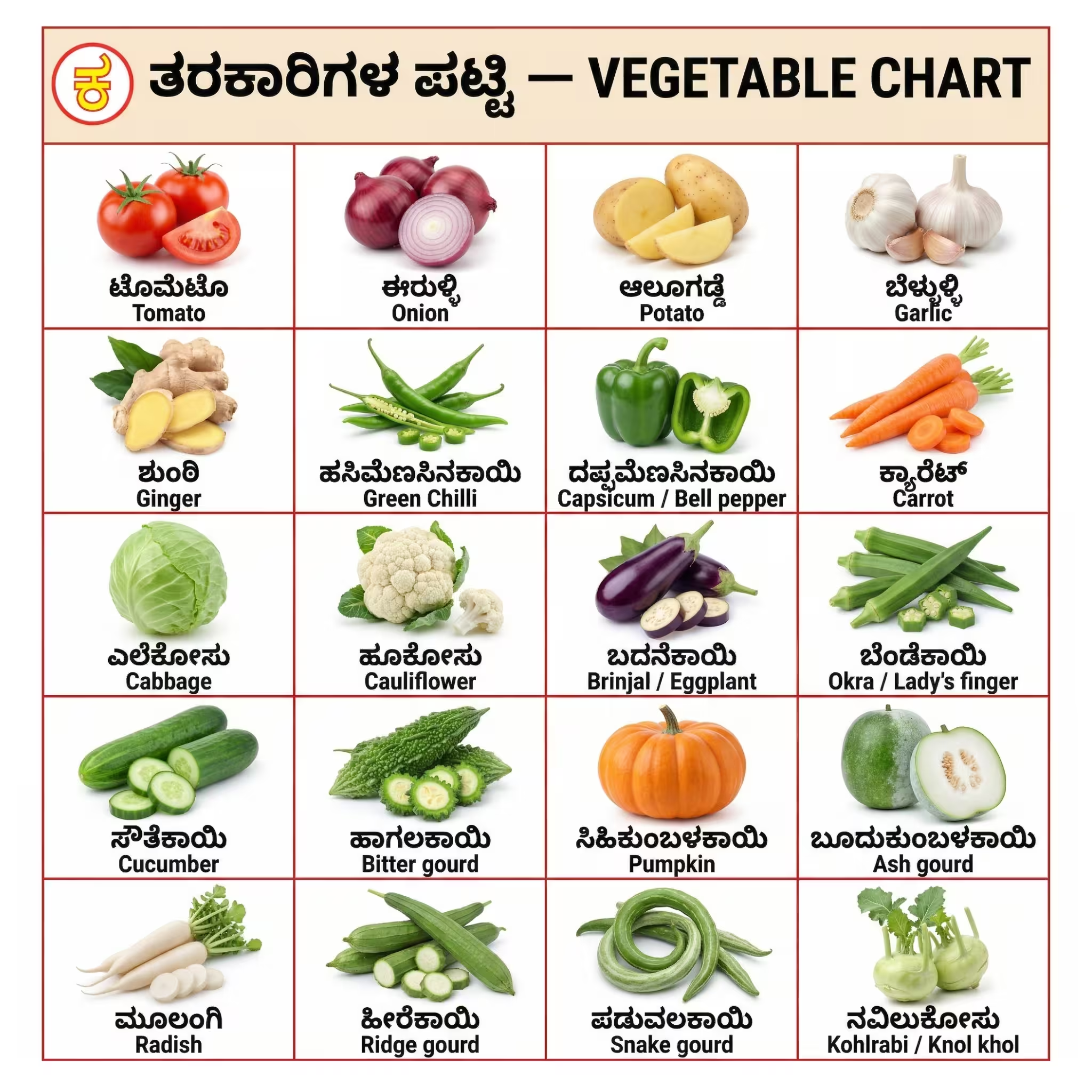
Vegetables - ತರಕಾರಿಗಳು (tarakārigaḷu)
| ಪದ (Word) | ಉಚ್ಚಾರಣೆ (Pronunciation) | ಇಂಗ್ಲಿಷ್ ಅರ್ಥ (English Meaning) |
|---|---|---|
| ಟೊಮೆಟೊ | ṭomeṭo | Tomato |
| ಈರುಳ್ಳಿ | īruḷḷi | Onion |
| ಆಲೂಗಡ್ಡೆ | ālūgaḍḍe | Potato |
| ಬೆಳ್ಳುಳ್ಳಿ | beḷḷuḷḷi | Garlic |
| ಶುಂಠಿ | śhuṇṭhi | Ginger |
| ಹಸಿಮೆಣಸಿನಕಾಯಿ | hasimeṇasinakāyi | Green Chilli |
| ಒಣಮೆಣಸಿನಕಾಯಿ | oṇameṇasinakāyi | Dry Red Chilli |
| ದಪ್ಪಮೆಣಸಿನಕಾಯಿ | dappameṇasinakāyi | Capsicum / Bell pepper |
| ಕೊತ್ತಂಬರಿ ಸೊಪ್ಪು | kottambari soppu | Coriander leaves |
| ಕರಿಬೇವಿನ ಸೊಪ್ಪು | karibēvin soppu | Curry leaves |
| ಪುದೀನಾ | pudīnā | Mint leaves |
| ಮೆಂತ್ಯ ಸೊಪ್ಪು | mentya soppu | Fenugreek leaves |
| ಪಾಲಕ್ ಸೊಪ್ಪು | pālak soppu | Spinach |
| ಕ್ಯಾರೆಟ್ | kyāreṭ | Carrot |
| ಹುರಳಿಕಾಯಿ | huraḷikāyi | Beans |
| ಎಲೆಕೋಸು | elekōsu | Cabbage |
| ಹೂಕೋಸು | hūkōsu | Cauliflower |
| ಬದನೆಕಾಯಿ | badanekāyi | Brinjal / Eggplant |
| ಬೆಂಡೆಕಾಯಿ | beṇḍekāyi | Okra / Lady's finger |
| ಸೌತೆಕಾಯಿ | sautekāyi | Cucumber |
| ಹಾಗಲಕಾಯಿ | hāgalakāyi | Bitter gourd |
| ಸಿಹಿಕುಂಬಳಕಾಯಿ | sihikumbaḷakāyi | Pumpkin |
| ಬೂದುಕುಂಬಳಕಾಯಿ | būdukumbaḷakāyi | Ash gourd |
| ಮೂಲಂಗಿ | mūlangi | Radish |
| ಹೀರೆಕಾಯಿ | hīrekāyi | Ridge gourd |
| ಪಡುವಲಕಾಯಿ | paḍuvalakāyi | Snake gourd |
| ತೊಂಡೆಕಾಯಿ | toṇḍekāyi | Ivy gourd |
| ಸೀಮೆಬದನೆಕಾಯಿ | sīmebadanekāyi | Chayote / Chow chow |
| ನವಿಲುಕೋಸು | navilukōsu | Kohlrabi / Knol khol |
Fruits - ಹಣ್ಣುಗಳು (haṇṇugaḷu)
| ಪದ (Word) | ಉಚ್ಚಾರಣೆ (Pronunciation) | ಇಂಗ್ಲಿಷ್ ಅರ್ಥ (English Meaning) |
|---|---|---|
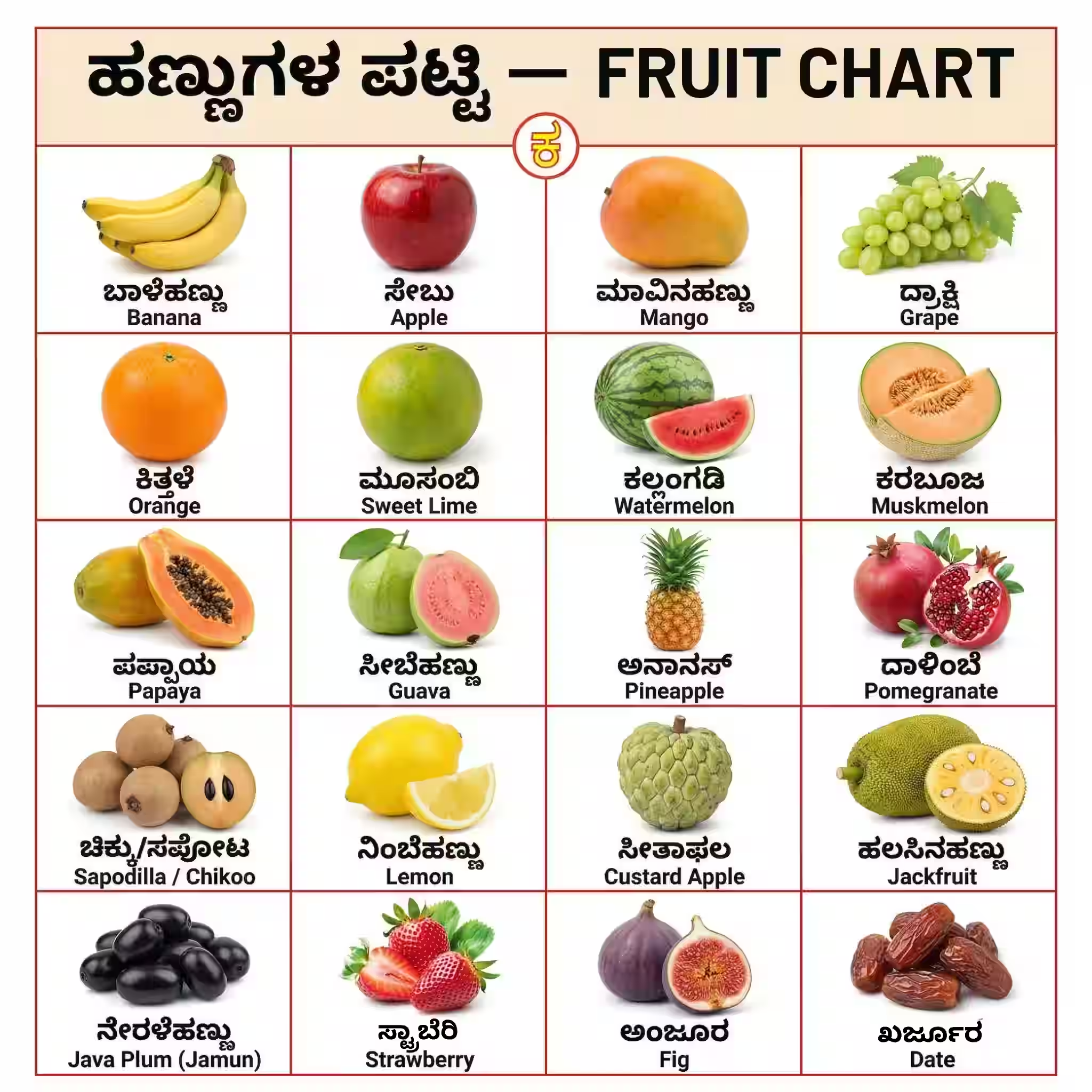
| ಬಾಳೆಹಣ್ಣು | bāḷehaṇṇu | Banana |
| ಸೇಬು | sēbu | Apple |
| ಮಾವಿನಹಣ್ಣು | māvinahaṇṇu | Mango |
| ದ್ರಾಕ್ಷಿ | drākṣhi | Grapes |
| ಕಿತ್ತಳೆ | kittaḷe | Orange |
| ಮೂಸಂಬಿ | mūsambi | Sweet Lime |
| ಕಲ್ಲಂಗಡಿ | kallangaḍi | Watermelon |
| ಕರಬೂಜ | karabūja | Muskmelon |
| ಪಪ್ಪಾಯ | pappāya | Papaya |
| ಸೀಬೆಹಣ್ಣು | sībehaṇṇu | Guava |
| ಅನಾನಸ್ | anānas | Pineapple |
| ದಾಳಿಂಬೆ | dāḷimbe | Pomegranate |
| ಚಿಕ್ಕು/ಸಪೋಟ | cikku**/**sapōṭa | Chikoo / Sapodilla |
| ನಿಂಬೆಹಣ್ಣು | nimbehaṇṇu | Lemon |
| ಸೀತಾಫಲ | sītāphala | Custard apple |
| ಹಲಸಿನಹಣ್ಣು | halasinahaṇṇu | Jackfruit |
| ನೇರಳೆಹಣ್ಣು | nēraḷehaṇṇu | Jamun / Black plum |
| ಸ್ಟ್ರಾಬೆರಿ | sṭrāberi | Strawberry |
| ಅಂಜೂರ | anjūra | Fig |
| ಖರ್ಜೂರ | kharjūra | Dates |
| ಕಿವಿ ಹಣ್ಣು | kivi haṇṇu | Kiwi |
| ರಾಮಫಲ | rāmaphala | Bullock's heart |
| ಬೇಲದ ಹಣ್ಣು | bēlada haṇṇu | Wood apple |
| ಬೆಣ್ಣೆ ಹಣ್ಣು | beṇṇe haṇṇu | Avocado |
| ಹಿಪ್ಪುನೇರಳೆ | hippunēraḷe | Mulberry |
Once the vocabulary is clear, Simply state the item name followed by the required quantity. To politely ask a vendor to give something, use the word ಕೊಡಿ (koḍi) - give. Shoppers also frequently ask about the freshness, ripeness, or taste of the produce before purchasing. Below are many practical examples showing how to ask for vegetables and fruits in complete, everyday sentences.
- ಚೆನ್ನಾಗಿರೋದು ನೋಡಿ ಹಾಕಿ. (chennāgirōdu nōḍi hāki.) - Please check and put good ones.
- ಕೊಳೆತಿರೋದು ಹಾಕಬೇಡಿ. (koḷetirōdu hākabēḍi.) - Do not put spoiled ones.
- ಸ್ವಲ್ಪ ಗಟ್ಟಿ ಇರೋದು ಕೊಡಿ. (svalpa gaṭṭi irōdu koḍi.) - Give me slightly firm ones. (Very common for tomatoes).
- ಇದು ನಾಟಿನಾ ಅಥವಾ ಹೈಬ್ರಿಡ್ ಆ? (idu nāṭinā athavā haibriḍ ā?) - Is this local or hybrid?
- ನಿನ್ನೆಯದಾ ಅಥವಾ ಇವತ್ತಿನದಾ? (ninneyadā athavā ivattinadā?) - Is it from yesterday or today?
- ಮಾಗಿದ ಹಣ್ಣು ಇದೆಯಾ? (māgida haṇṇu ideyā?) - Do you have naturally ripened fruits?
- ಬಲಿತಿರೋದು ಬೇಡ, ಎಳೆದು ಕೊಡಿ. (balitirōdu bēḍa, eḷedu koḍi.) - Do not want overripe ones, give tender ones. (Used for beans and okra).
- ಹುಳ ಆಗ್ಬಿಟ್ಟಿದೆ, ಬೇರೆ ಕೊಡಿ. (huḷa āgbiṭṭide, bēre koḍi.) - It has worms, give another one.
- ಕಾಯಿ ಬೇಡ, ಹಣ್ಣಾಗಿರೋದು ಕೊಡಿ. (kāyi bēḍa, haṇṇāgirōdu koḍi.) - Do not want raw ones, give ripe ones.
- ಇದು ತುಂಬಾ ಮೆತ್ತಗಿದೆ, ಬೇರೆ ನೋಡಿ ಹಾಕಿ. (idu tumbā mettagide, bēre nōḍi hāki.) - This is too soft, check and put another one.
- ಫ್ರೆಶ್ ಆಗಿದೆಯಾ? (freśh āgideyā?) - Is it fresh?
- ತೂಕ ಸರಿಯಾಗಿ ಹಾಕಿ. (tūka sariyāgi hāki.) - Weigh it properly.
- ಕವರ್ ಬೇಡ, ನನ್ ಹತ್ರ ಬ್ಯಾಗ್ ಇದೆ. (kavar bēḍa, nan hatra byāg ide.) - No need for a plastic cover, I have a bag.
- ಇನ್ನು ಸ್ವಲ್ಪ ಹಾಕಿ. (innu svalpa hāki.) - Put a little more.
- ಇದೆಲ್ಲಾ ಸೇರಿ ಎಷ್ಟು ಆಯ್ತು? (idellā sēri eṣṭu āytu?) - How much did all this come to?
- ಕಾಲು ಕೆಜಿ ಸಾಕು. (kālu keji sāku.) - Quarter kilo is enough.
- ಎರಡು ಕೆಜಿ ತಗೊಂಡ್ರೆ ಎಷ್ಟು ಕಮ್ಮಿ ಮಾಡ್ತೀರಾ? (eraḍu keji tagoṇḍre eṣṭu kammi māḍtīrā?) - If taking two kilos, how much will you reduce?
- ಕೊತ್ತಂಬರಿ ಸೊಪ್ಪು ಫ್ರೀಯಾಗಿ ಹಾಕ್ತೀರಾ? (kottambari soppu frīyāgi hāktīrā?) - Will you put coriander leaves for free?
- ಕತ್ತರಿಸಿ ಕೊಡ್ತೀರಾ? (kattarisi koḍtīrā?) - Will you cut and give it? (Used for jackfruit or watermelon).
- ಒಳಗೆ ಕೆಂಪಗಿದೆಯಾ? (oḷage kempagideyā?) - Is it red inside? (Used specifically for watermelon).
- ಸಿಹಿ ಇದೆಯಾ ಅಂತ ನೋಡಿ ಕೊಡಿ. (sihi ideyā anta nōḍi koḍi.) - Check if it is sweet and give it.
- ದಪ್ಪ ಇರೋದು ನೋಡಿ ಆರಿಸಿ. (dappa irōdu nōḍi ārisi.) - Pick out the thick or big ones.
- ಸಣ್ಣ ಸಣ್ಣದು ಬೇಡ. (saṇṇa saṇṇadu bēḍa.) - Do not want the very small ones.
- ಇದು ಇವತ್ತು ತಂದಿದ್ದಾ? (idu ivattu tandidda?) - Was this brought today?
- ಚಿಲ್ಲರೆ ಇಲ್ಲ, ಯುಪಿಐ ಮಾಡ್ತೀನಿ. (chillare illa, UPI māḍtīni.) - There is no change, will do UPI.
- ಬಾರ್ಕೋಡ್ ಎಲ್ಲಿದೆ? (bārkōḍ ellide?) - Where is the barcode?
- ಇದನ್ನ ಪಕ್ಕಕ್ಕೆ ಇಡಿ. (idanna pakkakke iḍi.) - Keep this aside.
- ಬೇಗ ಕೊಡಿ, ಲೇಟ್ ಆಗ್ತಿದೆ. (bēga koḍi, lēṭ āgtide.) - Give it fast, it is getting late.
- ಸ್ವಲ್ಪ ಬೆಲೆ ಕಮ್ಮಿ ಮಾಡಿ. (svalpa bele kammi māḍi.) - Please reduce the price a bit.
- ಸೊಪ್ಪು ಬಾಡಿಹೋಗಿದೆ, ಬೇರೆ ಇದೆಯಾ? (soppu bāḍihōgide, bēre ideyā?) - The greens are wilted, do you have others?
- ನಾಳೆ ಬೆಳಿಗ್ಗೆ ಹೊಸ ಸ್ಟಾಕ್ ಬರುತ್ತಾ? (nāḷe beḷigge hosa sṭāk baruttā?) - Will fresh stock come tomorrow morning?
- ಸರಿಯಾಗಿ ಲೆಕ್ಕ ಮಾಡಿ. (sariyāgi lekka māḍi.) - Calculate it properly.
Asking the Price - ಬೆಲೆ ಕೇಳುವುದು (bele kēḷuvudu)
Knowing how to ask for the price is the most important part of shopping. In Kannada, the word for price or cost is ಬೆಲೆ (bele) - price, and the word used to ask "how much" is ಎಷ್ಟು (eṣṭu) - how much. When asking for the cost of a single item or a bunch of leaves, one can simply point to the item and ask "how much for this?". However, vegetables and fruits are usually sold by weight. In such everyday scenarios, it is better to ask "how much per kilo?". Keeping the tone polite and using simple words makes a big difference in local markets.
Here are several practical examples of how to ask for prices and talk about money in the market:
- ಇದಕ್ಕೆ ಎಷ್ಟು? (idakke eṣṭu?) - How much for this?
- ಅದಕ್ಕೆ ಎಷ್ಟು? (adakke eṣṭu?) - How much for that?
- ಇದರ ಬೆಲೆ ಎಷ್ಟು? (idara bele eṣṭu?) - What is the price of this?
- ಒಂದು ಕೆಜಿಗೆ ಎಷ್ಟು? (ondu kejige eṣṭu?) - How much for one kilo?
- ಟೊಮೆಟೊ ಕೆಜಿಗೆ ಎಷ್ಟು? (ṭomeṭo kejige eṣṭu?) - How much is a kilo of tomatoes?
- ಟೊಮೆಟೊ ಕೆಜಿಗೆ ಎಷ್ಟು? (ṭomeṭo kejige eṣṭu hēḷtiddīrā?) - How much are you quoting for a kilo of tomatoes?
- ಒಂದು ಡಜನ್ ಬಾಳೆಹಣ್ಣು ಎಷ್ಟು? (ondu ḍajan bāḷehaṇṇu eṣṭu?) - How much is one dozen bananas?
- ಈ ಸೇಬು ಹಣ್ಣಿನ ಬೆಲೆ ಏನು? (ī sēbu haṇṇina bele ēnu?) - What is the price of this apple?
- ಸೇಬು ಹೆಂಗೆ? (sēbu henge?) - How are the apples priced?
- ಕಲ್ಲಂಗಡಿ ಹೆಂಗೆ ಕೊಡ್ತಿದ್ದೀರಾ? (kallangaḍi henge koḍtiddīrā?) - How are you pricing the watermelon?
- ಒಂದು ಕಟ್ಟು ಕೊತ್ತಂಬರಿ ಸೊಪ್ಪಿಗೆ ಎಷ್ಟು? (ondu kaṭṭu kottambari soppige eṣṭu?) - How much for one bunch of coriander leaves?
- ಒಂದು ಕಂತೆಗೆ ಎಷ್ಟು? (ondu kantege eṣṭu?) - How much for one bunch?
- ಅರ್ಧ ಕೆಜಿ ಬದನೆಕಾಯಿಗೆ ಎಷ್ಟು? (ardha keji badanekāyige eṣṭu?) - How much for half a kilo of brinjal?
- ಎರಡು ಕೆಜಿ ಈರುಳ್ಳಿಗೆ ಎಷ್ಟು? (eraḍu keji īruḷḷige eṣṭu?) - How much money for two kilos of onions?
- ಕಾಲು ಕೆಜಿ ಬೆಳ್ಳುಳ್ಳಿಗೆ ಎಷ್ಟು? (kālu keji beḷḷuḷḷige eṣṭu?) - How much for a quarter kilo of garlic?
- ನೂರು ಗ್ರಾಂಗೆ ಎಷ್ಟು? (nūru grāmge eṣṭu?) - How much for a hundred grams?
- ಒಂದು ಪೀಸ್ ಗೆ ಎಷ್ಟು? (ondu pīs ge eṣṭu?) - How much for one piece?
- ನಿಂಬೆಹಣ್ಣು ಒಂದಕ್ಕೆ ಎಷ್ಟು? (nimbehaṇṇu ondakke eṣṭu?) - How much for one lemon?
- ಒಟ್ಟು ಎಷ್ಟು ಆಯಿತು? (oṭṭu eṣṭu āyitu?) - How much is it in total?
- ಎರಡು ಕೆಜಿಗೆ ಎಷ್ಟು ಆಗುತ್ತೆ? (eraḍu kejige eṣṭu āgutte?) - How much will it be for two kilos?
- ಸರಿ ಬೆಲೆ ಹೇಳಿ. (sari bele hēḷi.) - Tell the correct price.
- ಡಜನ್ ಲೆಕ್ಕನಾ ಅಥವಾ ಕೆಜಿ ಲೆಕ್ಕನಾ? (ḍajan lekkanā athavā keji lekkanā?) - Is it priced by the dozen or by the kilo?
- ಅಳತೆ ಲೆಕ್ಕನಾ ಅಥವಾ ತೂಕದ ಲೆಕ್ಕನಾ? (aḷate lekkanā athavā tūkada lekkanā?) - Is it by measure or by weight?
- ಇದು ಹೋಲ್ ಸೇಲ್ ರೇಟಾ? (idu hōl sēl rēṭā?) - Is this the wholesale rate?
- ಈರುಳ್ಳಿ ರೇಟ್ ಏನಿದೆ ಇವತ್ತು? (īruḷḷi rēṭ ēnide ivattu?) - What is the rate of onions today?
- ಹಣ್ಣಿನ ಬೆಲೆ ಏನು? (haṇṇina bele ēnu?) - What is the price of the fruit?
- ಸೇಬು ಕಿಲೋಗೆ ಎಷ್ಟಪ್ಪಾ? (sēbu kilōge eṣṭappā?) - How much is an apple per kilo, brother?
- ಇದು ಕೆಜಿಗೆ ಅರವತ್ತು ರೂಪಾಯಿನಾ? (idu kejige aravattu rūpāyinā?) - Is this sixty rupees per kilo?
- ಕೊನೆಯದಾಗಿ ಎಷ್ಟು ರೇಟ್ ಹಾಕ್ತೀರಾ? (koneyadāgi eṣṭu rēṭ hāktīrā?) - Finally, what rate will you put?
- ಮಾವಿನಹಣ್ಣು ಬಾಕ್ಸ್ ಗೆ ಎಷ್ಟು? (māvinahaṇṇu bāks ge eṣṭu?) - How much for a box of mangoes?
Measurement and Quantity - ಅಳತೆ ಮತ್ತು ಪ್ರಮಾಣ (aḷate mattu pramāṇa)
Understanding how to specify the exact quantity is crucial when shopping for groceries in local markets. In markets, measurements are mostly based on standard metric weights and dozens. Knowing words for fractions like half, quarter, or three-quarters helps buyers pick the precise amount needed. For example, a quarter kilo is universally referred to as ಕಾಲು ಕೆಜಿ (kālu keji), while leafy greens are almost always sold by the bunch. This section explains how to confidently state the required weight or quantity in conversational Kannada.
| ಪ್ರಮಾಣ (Quantity) | ಇಂಗ್ಲಿಷ್ ಅರ್ಥ (English Meaning) | ಉಚ್ಚಾರಣೆ (Pronunciation) |
| ಒಂದು ಕೆಜಿ | One kilo | ondu keji |
| ಅರ್ಧ ಕೆಜಿ | Half kilo | ardha keji |
| ಕಾಲು ಕೆಜಿ | Quarter kilo | kālu keji |
| ಮುಕ್ಕಾಲು ಕೆಜಿ | Three-quarter kilo | mukkālu keji |
| ಒಂದೂವರೆ ಕೆಜಿ | One and a half kilos | ondūvare keji |
| ನೂರು ಗ್ರಾಂ | Hundred grams | nūru grām |
| ಐವತ್ತು ಗ್ರಾಂ | Fifty grams | aivattu grām |
| ಇನ್ನೂರ ಐವತ್ತು ಗ್ರಾಂ | Two hundred and fifty grams | innūra aivattu grām |
| ಒಂದು ಲೀಟರ್ | One liter | ondu līṭar |
| ಅರ್ಧ ಲೀಟರ್ | Half liter | ardha līṭar |
| ಒಂದು ಡಜನ್ | One dozen | ondu ḍajan |
| ಅರ್ಧ ಡಜನ್ | Half dozen | ardha ḍajan |
| ಒಂದು ಕಟ್ಟು | One bunch | ondu kaṭṭu |
| ಒಂದು ಕಂತೆ | One bunch (leafy greens) | ondu kante |
Here is a list of practical examples showing how to ask for specific measurements and quantities at a shop.
- ಒಂದು ಕೆಜಿ ಟೊಮೆಟೊ ಕೊಡಿ. (ondu keji ṭomeṭo koḍi.) - Give me one kilo of tomatoes.
- ಅರ್ಧ ಕೆಜಿ ಈರುಳ್ಳಿ ಸಾಕು. (ardha keji īruḷḷi sāku.) - Half a kilo of onions is enough.
- ಕಾಲು ಕೆಜಿ ಬೆಳ್ಳುಳ್ಳಿ ಕೊಡಿ. (kālu keji beḷḷuḷḷi koḍi.) - Give a quarter kilo of garlic.
- ಒಂದು ಡಜನ್ ಬಾಳೆಹಣ್ಣು ಕೊಡಿ. (ondu ḍajan bāḷehaṇṇu koḍi.) - Give one dozen bananas.
- ಎರಡು ಡಜನ್ ಬೇಕು. (eraḍu ḍajan bēku.) - Need two dozen.
- ನೂರು ಗ್ರಾಂ ಶುಂಠಿ ಹಾಕಿ. (nūru grām śhuṇṭhi hāki.) - Put a hundred grams of ginger.
- ಐವತ್ತು ಗ್ರಾಂ ಹಸಿಮೆಣಸಿನಕಾಯಿ ಕೊಡಿ. (aivattu grām hasimeṇasinakāyi koḍi.) - Give fifty grams of green chillies.
- ಐದು ಕೆಜಿ ಅಕ್ಕಿ ಕೊಡಿ. (aidu keji akki koḍi.) - Give five kilos of rice.
- ಮುಕ್ಕಾಲು ಕೆಜಿ ಬದನೆಕಾಯಿ ಕೊಡಿ. (mukkālu keji badanekāyi koḍi.) - Weigh three-quarters of a kilo of brinjal.
- ಕಾಲು ಕೆಜಿ ಅವರೆಕಾಳು ಕೊಡಿ. (kālu keji avarekāḷu koḍi.) - Give a quarter kilo of hyacinth beans.
- ಅರ್ಧ ಕೆಜಿ ಕಡಲೆಕಾಯಿ ಕೊಡಿ. (ardha keji kaḍalekāyi koḍi.) - Give half a kilo of peanuts.
- ಕೊತ್ತಂಬರಿ ಸೊಪ್ಪು ಒಂದು ಕಟ್ಟು ಕೊಡಿ. (kottambari soppu ondu kaṭṭu koḍi.) - Give one bunch of coriander leaves.
- ಪುದೀನಾ ಎರಡು ಕಂತೆ ಕೊಡಿ. (pudīnā eraḍu kante koḍi.) - Give two bunches of mint.
- ಒಂದು ಲೀಟರ್ ಹಾಲು ಕೊಡಿ. (ondu līṭar hālu koḍi.) - Give one liter of milk.
- ಅರ್ಧ ಲೀಟರ್ ಎಣ್ಣೆ ಕೊಡಿ. (ardha līṭar eṇṇe koḍi.) - Give half a liter of oil.
- ನನಗೆ ಕೇವಲ ಎರಡು ಸೇಬು ಬೇಕು. (nanage kēvala eraḍu sēbu bēku.) - I only need two apples.
- ಇದು ಒಂದೂವರೆ ಕೆಜಿ ಇದೆಯಾ? (idu ondūvare keji ideyā?) - Is this one and a half kilos?
- ಇನ್ನೂ ಅರ್ಧ ಕೆಜಿ ಸೇರಿಸಿ. (innū ardha keji sērisi.) - Add another half kilo.
- ಸ್ವಲ್ಪ ಜಾಸ್ತಿ ಹಾಕಿ. (svalpa jāsti hāki.) - Put a little more.
- ಇದು ತುಂಬಾ ಕಡಿಮೆ ಆಯಿತು. (idu tumbā kaḍime āyitu.) - This is too little.
- ಸರಿಯಾಗಿ ಒಂದು ಕೆಜಿ ತೂಕ ಮಾಡಿ. (sariyāgi ondu keji tūka māḍi.) - Weigh exactly one kilo.
- ಕಾಲು ಕೆಜಿಗಿಂತ ಸ್ವಲ್ಪ ಹೆಚ್ಚು ಹಾಕಿ. (kālu kejiginta svalpa hecchu hāki.) - Put slightly more than a quarter kilo.
- ಎರಡು ಕೆಜಿ ಪೂರ್ತಿ ಇದೆಯಾ? (eraḍu keji pūrti ideyā?) - Is it a full two kilos?
- ಒಂದೆರಡು ನಿಂಬೆಹಣ್ಣು ಕೊಡಿ. (onderaḍu nimbehaṇṇu koḍi.) - Give one or two lemons.
- ಐದು ಪೀಸ್ ಮಾತ್ರ ಸಾಕು. (aidu pīs mātra sāku.) - Five pieces are enough.
- ಅರ್ಧ ಡಜನ್ ಮೊಟ್ಟೆ ಕೊಡಿ. (ardha ḍajan moṭṭe koḍi.) - Give half a dozen eggs.
- ಕಾಲು ಕೆಜಿ ಕ್ಯಾರೆಟ್ ಕೊಡಿ. (kālu keji kyāreṭ koḍi.) - Give a quarter kilo of carrots.
- ಮೂರು ಕೆಜಿ ಆಲೂಗಡ್ಡೆ ಚೀಲ ಕೊಡಿ. (mūru keji ālūgaḍḍe chīla koḍi.) - Give a three-kilo bag of potatoes.
- ಇನ್ನೂ ನೂರು ಗ್ರಾಂ ಕಡಿಮೆ ಮಾಡಿ. (innū nūru grām kaḍime māḍi.) - Reduce another hundred grams.
- ಎರಡು ಲೀಟರ್ ನೀರು ಕೊಡಿ. (eraḍu līṭar nīru koḍi.) - Give two liters of water.
- ಹತ್ತು ಗ್ರಾಂ ಏಲಕ್ಕಿ ಕೊಡಿ. (hattu grām ēlakki koḍi.) - Give ten grams of cardamom.
Bargaining - ಚೌಕಾಸಿ ಮಾಡುವುದು (chaukāsi māḍuvudu)
Bargaining is an expected and completely normal part of shopping in local markets. Using Kannada to negotiate not only secures better deals but also earns respect from the vendors. Based on local street-smart language, shoppers frequently address vendors respectfully as ಅಣ್ಣ (aṇṇa) - older brother or ಅಕ್ಕ (akka) - older sister before asking for a discount. Phrases expressing that a price is slightly high or asking for a regular customer discount are extremely common. Maintaining a polite tone with a smile is the best strategy. Here is a thorough list for negotiating prices confidently.
- ಬೆಲೆ ಸ್ವಲ್ಪ ಕಡಿಮೆ ಮಾಡಿ. (bele svalpa kaḍime māḍi.) - Please reduce the price a little.
- ಅಣ್ಣಾ, ಸ್ವಲ್ಪ ಕಮ್ಮಿ ಮಾಡಿ. (aṇṇā, svalpa kammi māḍi.) - Brother, please reduce it a bit.
- ಅಕ್ಕಾ, ಸರಿಯಾದ ಬೆಲೆ ಹಾಕಿ. (akkā, sariyāda bele hāki.) - Sister, put the right price.
- ಇದು ಬಹಳ ದುಬಾರಿ. (idu bahaḷa dubāri.) - This is very expensive.
- ಸ್ವಲ್ಪ ಜಾಸ್ತಿ ಆಯ್ತು. (svalpa jāsti āytu.) - It became a little too much.
- ನಿಮ್ಮ ಕೊನೆಯ ಬೆಲೆ ಏನು? (nimma koneya bele ēnu?) - What is your final price?
- ಫಿಕ್ಸ್ ರೇಟಾ ಅಥವಾ ಕಮ್ಮಿ ಮಾಡ್ತೀರಾ? (phiks rēṭā athavā kammi māḍtīrā?) - Is it a fixed rate or will you reduce it?
- ಇನ್ನು ಸ್ವಲ್ಪ ಕಡಿಮೆಗೆ ಕೊಡ್ತೀರಾ? (innu svalpa kaḍime koḍtīrā?) - Will you give it for a little less?
- ದಿನಾ ನಿಮ್ಮತ್ರಾನೇ ತಗೊಳ್ಳೋದು. (dinā nimmatrānē tagoḷḷōdu.) - Buying from you daily.
- ರೆಗ್ಯುಲರ್ ಕಸ್ಟಮರ್ ನಾವು, ಕಮ್ಮಿ ಮಾಡಿ. (regyular kasṭamar nāvu, kammi māḍi.) - Regular customers here, reduce it.
- ಬೇರೆ ಕಡೆ ಬಹಳ ಕಮ್ಮಿ ಇದೆ. (bēre kaḍe bahaḷa kammi ide.) - It is much cheaper elsewhere.
- ನಿನ್ನೆ ತಾನೇ ಕಡಿಮೆ ಇತ್ತು. (ninne tānē kaḍime ittu.) - It was less just yesterday.
- ಹತ್ತು ರೂಪಾಯಿ ಕಮ್ಮಿ ತಗೊಳ್ಳಿ. (hattu rūpāyi kammi tagoḷḷi.) - Take ten rupees less.
- ಇಷ್ಟು ದುಡ್ಡು ಕೊಡೋಕೆ ಆಗಲ್ಲ. (iṣṭu duḍḍu koḍōke āgalla.) - Cannot give this much money.
- ನೂರು ರೂಪಾಯಿಗೆ ಕೊಡ್ತೀರಾ? (nūru rūpāyige koḍtīrā?) - Will you give it for a hundred rupees?
- ಎರಡು ತಗೊಂಡ್ರೆ ಎಷ್ಟು ಕಮ್ಮಿ ಮಾಡ್ತೀರಾ? (eraḍu tagoṇḍre eṣṭu kammi māḍtīrā?) - If taking two, how much will you reduce?
- ಲಾಸ್ಟ್ ಎಷ್ಟು ಹೇಳ್ತೀರಾ? (lāsṭ eṣṭu hēḷtīrā?) - What is the last price you will quote?
- ಸರಿ ಬೆಲೆಗೆ ಕೊಡಿ, ಈಗಲೇ ತಗೋತೀನಿ. (sari belege koḍi, īgalē tagōtīni.) - Give it for a fair price, will buy it right now.
- ನನಗೂ ಬೇಡ, ನಿಮಗೂ ಬೇಡ, ಐವತ್ತು ರೂಪಾಯಿಗೆ ಕೊಡಿ. (nanagū bēḍa, nimagū bēḍa, aivattu rūpāyige koḍi.) - Neither mine nor yours, give it for fifty rupees.
- ಇಷ್ಟು ರೇಟ್ ಹೇಳಿದ್ರೆ ಕಷ್ಟ. (iṣṭu rēṭ hēḷidre kaṣṭa.) - If you quote such a rate, it is difficult.
- ಬರಿ ನೂರು ರೂಪಾಯಿ ಇದೆ. (bari nūru rūpāyi ide.) - Have only a hundred rupees.
- ಇನ್ನೊಂದು ಅಂಗಡಿಯಲ್ಲಿ ಕೇಳಿ ಬರ್ತೀನಿ. (innondu aṅgaḍiyalli kēḷi bartīni.) - Will ask in another shop and come back.
- ತುಂಬಾ ರೇಟ್ ಹೇಳ್ತಿದ್ದೀರಾ. (tumbā rēṭ hēḷtiddīrā.) - You are quoting too much of a rate.
- ಪಕ್ಕದ ಅಂಗಡಿಯಲ್ಲಿ ಕಮ್ಮಿ ಹೇಳಿದ್ರು. (pakkada aṅgaḍiyalli kammi hēḷidru.) - They quoted less in the next shop.
- ಒಟ್ಟಿಗೆ ತಗೋತೀನಿ, ಡಿಸ್ಕೌಂಟ್ ಕೊಡಿ. (oṭṭige tagōtīni, ḍiskauṇṭ koḍi.) - Taking it in bulk, give a discount.
- ಐದು ಕೆಜಿ ತಗೋತೀನಿ, ರೇಟ್ ಸರಿ ಕೊಡಿ. (aidu keji tagōtīni, rēṭ sari māḍi.) - Taking five kilos, fix the rate properly.
- ಸುಮ್ನೆ ಕಮ್ಮಿ ಮಾಡಿ ಕೊಡಿ. (sumne kammi māḍi koḍi.) - Just reduce and give it.
- ದೂರದಿಂದ ಬಂದಿದ್ದೀನಿ, ಸರಿಯಾಗಿ ಹಾಕಿ. (dūradinda bandiddīni, sariyāgi hāki.) - Have come from far, price it properly.
- ಐವತ್ತು ರೂಪಾಯಿ ಮಾಡಿಕೊಳ್ಳಿ. (aivattu rūpāyi māḍikoḷḷi.) - Make it fifty rupees.
- ಇದರಲ್ಲಿ ಲಾಭ ಇಲ್ಲ ಅಂದ್ರೆ ಹೆಂಗೆ? (idaralli lābha illa andre henge?) - How can you say there is no profit in this?
- ಚೌಕಾಸಿ ಮಾಡೋದೇ ಬೇಡ, ಫಿಕ್ಸ್ ಹೇಳಿ. (chaukāsi māḍōdē bēḍa, phiks hēḷi.) - No need for bargaining, tell the fixed price.
Payment - ಹಣ ಪಾವತಿ (haṇa pāvati)
Paying for items in local markets has changed significantly in recent years. While cash was the only way to pay in the past, almost every street vendor today accepts digital payments. When finalizing a purchase, buyers often need to ask if the vendor has enough change for large currency notes or where their payment scanner is kept. Using the right vocabulary for money, change, and online transfers ensures the transaction goes smoothly without any confusion.
| ಪದ (Word) | ಉಚ್ಚಾರಣೆ (Pronunciation) | ಇಂಗ್ಲಿಷ್ ಅರ್ಥ (English Meaning) |
|---|---|---|
| ದುಡ್ಡು / ಹಣ | duḍḍu / haṇa | Money |
| ನಗದು | nagadu | Cash |
| ಚಿಲ್ಲರೆ | chillare | Change (Coins/Small notes) |
| ಬಾಕಿ | bāki | Balance / Remaining amount |
| ನೋಟು | nōṭu | Currency note |
| ನಾಣ್ಯ | nāṇya | Coin |
| ಪಾವತಿ | pāvati | Payment |
| ಖಾತೆ | khāte | Account |
| ಜಮಾ | jamā | Deposit / Credited |
Below is a detailed list of over thirty natural phrases used to discuss billing, cash, and digital payments in the market.
- ಒಟ್ಟು ಬಿಲ್ ಎಷ್ಟು ಆಯಿತು? (oṭṭu bil eṣṭu āyitu?) - How much did the total bill become?
- ಯುಪಿಐ ಇದೆಯಾ? (UPI ideyā?) - Do you have UPI?
- ಫೋನ್ ಪೇ ಮಾಡಬಹುದಾ? (phōn pē māḍabahudā?) - Can PhonePe be done?
- ಗೂಗಲ್ ಪೇ ತಗೋತೀರಾ? (gūgal pē tagōtīrā?) - Do you take Google Pay?
- ಸ್ಕ್ಯಾನರ್ ಎಲ್ಲಿದೆ? (skyānar ellide?) - Where is the scanner?
- ಕ್ಯೂಆರ್ ಕೋಡ್ ತೋರಿಸಿ. (kyū-ār kōḍ tōrisi.) - Show the QR code.
- ಸ್ಕ್ಯಾನರ್ ಕೆಲಸ ಮಾಡ್ತಾ ಇದೆಯಾ? (skyānar kelasa māḍtā ideyā?) - Is the scanner working?
- ಸ್ಕ್ಯಾನ್ ಆಗ್ತಾ ಇಲ್ಲ. (skyān āgtā illa.) - It is not scanning.
- ನೆಟ್ವರ್ಕ್ ಸಿಗ್ತಾ ಇಲ್ಲ. (neṭvark sigtā illa.) - Network is not catching.
- ಪೇಮೆಂಟ್ ಫೇಲ್ ಆಯ್ತು. (pēmenṭ phēl āytu.) - Payment failed.
- ಇನ್ನೊಂದು ಸಾರಿ ಮಾಡ್ತೀನಿ. (innondu sāri māḍtīni.) - Will do it one more time.
- ದುಡ್ಡು ಬಂತಾ ಚೆಕ್ ಮಾಡಿ. (duḍḍu bantā chek māḍi.) - Check if the money has come.
- ಆನ್ಲೈನ್ ಪೇಮೆಂಟ್ ತಗೋತೀರಾ? (ānlain pēmenṭ tagōtīrā?) - Do you take online payments?
- ಕ್ಯಾಶ್ ಕೊಡ್ಲಾ ಅಥವಾ ಫೋನ್ ಪೇ ಮಾಡ್ಲಾ? (kyāśh koḍlā athavā phōn pē māḍlā?) - Should cash be given or PhonePe?
- ಹತ್ತಿರ ಕ್ಯಾಶ್ ಇಲ್ಲ. (hattira kyāśh illa.) - Do not have cash nearby/with me.
- ಐದು ನೂರು ರೂಪಾಯಿಗೆ ಚಿಲ್ಲರೆ ಇದೆಯಾ? (aidu nūru rūpāyige chillare ideyā?) - Is there change for five hundred rupees?
- ಚಿಲ್ಲರೆ ಇಲ್ಲ, ನೀವೇ ಕೊಡಿ. (chillare illa, nīvē koḍi.) - There is no change, you give it.
- ನೂರು ರೂಪಾಯಿ ನೋಟು ಇದೆಯಾ? (nūru rūpāyi nōṭu ideyā?) - Is there a hundred rupee note?
- ಚಿಲ್ಲರೆ ಕೊಡಿ. (chillare koḍi.) - Give change.
- ನಿಮ್ಮ ಹತ್ತಿರ ಚಿಲ್ಲರೆ ಇದೆಯಾ? (nimma hattira chillare ideyā?) - Do you have change with you?
- ಬಾಕಿ ದುಡ್ಡು ಕೊಡಿ. (bāki duḍḍu koḍi.) - Give the balance money.
- ಇನ್ನು ಹತ್ತು ರೂಪಾಯಿ ಬರಬೇಕು. (innu hattu rūpāyi barabēku.) - Still ten rupees should come.
- ಸರಿ ಲೆಕ್ಕ ಮಾಡಿ. (sari lekka māḍi.) - Calculate properly.
- ಲೆಕ್ಕ ಸರಿಯಾಗಿ ಮಾಡಿದ್ದೀರಾ? (lekka sariyāgi māḍiddīrā?) - Have you calculated properly?
- ದುಡ್ಡು ಇಟ್ಟುಕೊಳ್ಳಿ. (duḍḍu iṭṭukoḷḷi.) - Keep the money.
- ಅಕೌಂಟ್ ಗೆ ಟ್ರಾನ್ಸ್ಫರ್ ಮಾಡ್ತೀನಿ. (akauṇṭ ge ṭrānsphar māḍtīni.) - Will transfer to the account.
- ಫೋನ್ ನಂಬರ್ ಹೇಳಿ, ದುಡ್ಡು ಹಾಕ್ತೀನಿ. (phōn nambar hēḷi, duḍḍu hāktīni.) - Tell the phone number, will put the money.
- ನಿಮ್ಮ ನಂಬರ್ ಗೆ ಪೇ ಮಾಡಬಹುದಾ? (nimma nambar ge pē māḍabahudā?) - Can payment be made to your number?
- ಕ್ಯಾಶ್ ತಗೊಳ್ಳಿ. (kyāśh tagoḷḷi.) - Take cash.
- ರೌಂಡ್ ಫಿಗರ್ ಮಾಡಿ, ಇನ್ನೂರು ರೂಪಾಯಿ ತಗೊಳ್ಳಿ. (rauṇḍ phigar māḍi, innūru rūpāyi tagoḷḷi.) - Make it a round figure, take two hundred rupees.
- ಹರಿದ ನೋಟು ಬೇಡ, ಬೇರೆ ಕೊಡಿ. (harida nōṭu bēḍa, bēre koḍi.) - Do not want a torn note, give another one.
- ಈ ನೋಟು ನಡೆಯುತ್ತಾ? (ī nōṭu naḍeyuttā?) - Will this note work?
- ಕರೆಕ್ಟ್ ಆಗಿ ಐವತ್ತು ರೂಪಾಯಿ ಇದೆ, ತಗೊಳ್ಳಿ. (karekṭ āgi aivattu rūpāyi ide, tagoḷḷi.) - There is exactly fifty rupees, take it.
- ಬಾಕಿ ದುಡ್ಡು ಗೂಗಲ್ ಪೇ ಮಾಡಿ. (bāki duḍḍu gūgal pē māḍi.) - Google Pay the balance money.
- ಉಳಿದ ದುಡ್ಡು ನಾಳೆ ಕೊಡ್ತೀನಿ. (uḷida duḍḍu nāḷe koḍtīni.) - Will give the remaining money tomorrow.
- ಇದೆಲ್ಲಾ ಸೇರಿ ಮುನ್ನೂರು ರೂಪಾಯಿ ಆಗುತ್ತಾ? (idellā sēri munnūru rūpāyi āguttā?) - Will all this together become three hundred rupees?
- ಹಳೆಯ ಬಾಕಿ ಇತ್ತಾ? (haḷeya bāki ittā?) - Was there an old balance?
- ನಾಳೆ ಚಿಲ್ಲರೆ ತಂದು ಕೊಡ್ತೀನಿ. (nāḷe chillare tandu koḍtīni.) - Will bring and give change tomorrow.
- ಇನ್ನು ಇಪ್ಪತ್ತು ರೂಪಾಯಿ ಕಮ್ಮಿ ಇದೆ. (innu ippattu rūpāyi kammi ide.) - It is still twenty rupees short.
- ಇನ್ನೊಂದು ಸಾರಿ ಲೆಕ್ಕ ಹಾಕಿ. (innondu sāri lekka hāki.) - Calculate it one more time.
- ನಾಳೆ ಬಂದಾಗ ಕೊಡ್ತೀನಿ ಬಿಡಿ. (nāḷe bandāga koḍtīni biḍi.) - Will give it when coming tomorrow, leave it.

About the author
Kannada Typing Hub Team
Kannada Typing Hub Team writes and reviews blog content for Kannada Typing Hub, with a focus on clear, accurate, and natural Kannada usage. The team includes native Kannada speakers who learned ಕನ್ನಡ ವ್ಯಾಕರಣ (Kannada grammar), ಕನ್ನಡ ಸಾಹಿತ್ಯ (Kannada literature), and ಕನ್ನಡ ಲಿಪಿ (Kannada script) as part of their education.
Read full bio