
The Complete Guide to the Kannada Alphabet - ಕನ್ನಡ ಅಕ್ಷರಮಾಲೆ (Kannaḍa Akṣaramāle)
Published: 5 Mar 2026 · By Kannada Typing Hub Team
Welcome to your foundational step in learning Kannada! Whether you have just moved to Kanrnataka, are a student prepping for exams, or simply want to connect with the rich culture of Karnataka, mastering the Akṣaramāle or Varṇamāle is essential.
ಕನ್ನಡ ಕಲಿಯುವ ನಿಮ್ಮ ಈ ಮೊದಲ ಹೆಜ್ಜೆಗೆ ಆತ್ಮೀಯ ಸ್ವಾಗತ! ನೀವು ಹೊಸದಾಗಿ ಕರ್ನಾಟಕಕ್ಕೆ ಬಂದಿರಬಹುದು, ವಿದ್ಯಾರ್ಥಿಯಾಗಿರಬಹುದು, ಅಥವಾ ಕರ್ನಾಟಕದ ಶ್ರೀಮಂತ ಸಂಸ್ಕೃತಿಯನ್ನು ಅರಿಯುವ ಆಸಕ್ತಿ ನಿಮ್ಮದಾಗಿರಬಹುದು. ಕಾರಣ ಏನೇ ಇರಲಿ, ಭಾಷೆಯನ್ನು ಸರಿಯಾಗಿ ಕಲಿಯಲು ಅದರ ತಳಹದಿಯಾದ 'ಅಕ್ಷರಮಾಲೆ' ಅಥವಾ 'ವರ್ಣಮಾಲೆ'ಯನ್ನು ಸ್ಪಷ್ಟವಾಗಿ ಅರಿತುಕೊಳ್ಳುವುದು ಬಹಳ ಮುಖ್ಯ.
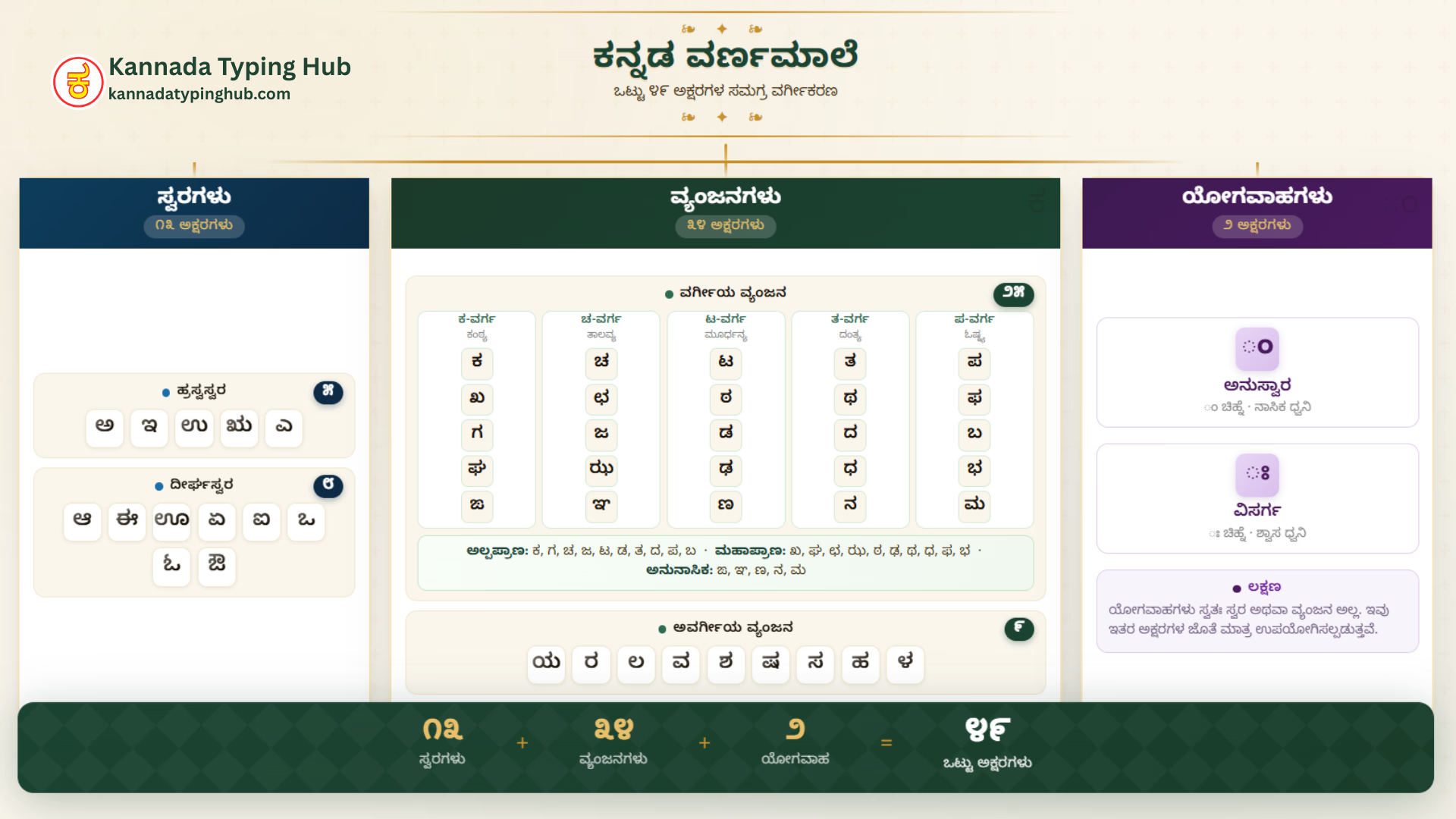
Kannada is a highly phonetic and scientific language. You read exactly what is written. While classical grammar lists 50 letters, modern Kannada practically uses a precise set of 49 distinct letters, neatly categorized by how the sound is produced in your mouth. Let's break them down!
ಆಡುವ ಮಾತನ್ನೇ ಬರಹದಲ್ಲಿ ಇಳಿಸುವ, ಬರೆದಂತೆಯೇ ಓದುವ ವಿಶಿಷ್ಟ ಗುಣ ಕನ್ನಡ ಭಾಷೆಗಿದೆ. ಹಳೆಯ ವ್ಯಾಕರಣದ ಪ್ರಕಾರ ಕನ್ನಡದಲ್ಲಿ ೫೦ ಅಕ್ಷರಗಳಿದ್ದರೂ, ಇಂದಿನ ಬಳಕೆಯಲ್ಲಿ ೪೯ ಅಕ್ಷರಗಳನ್ನು ಮಾತ್ರ ಬಳಸಲಾಗುತ್ತದೆ. ನಮ್ಮ ಬಾಯಿಯ ಯಾವ ಭಾಗದಿಂದ ಧ್ವನಿ ಹೊರಹೊಮ್ಮುತ್ತದೆ ಎಂಬುದರ ಆಧಾರದ ಮೇಲೆ ಕನ್ನಡದ ಅಕ್ಷರಗಳನ್ನು ಅತ್ಯಂತ ಅಚ್ಚುಕಟ್ಟಾಗಿ ವಿಂಗಡಿಸಲಾಗಿದೆ. ಈ ಅಕ್ಷರಗಳಿಗೆ 'ಕಾರ' ಎಂಬ ಪ್ರತ್ಯಯವನ್ನು ಸೇರಿಸಿ ಅಕಾರ, ಇಕಾರ, ಕಕಾರ, ಚಕಾರ - ಇತ್ಯಾದಿಯಾಗಿ ಹೇಳುತ್ತಾರೆ.
Note for learners: We use standard diacritics in the English explanations below. A line above a vowel (like ā) means it's a long sound. A dot below a consonant (like ṭ or ḍ) means it is a "retroflex" sound; roll your tongue back to the roof of your mouth!
| Category | Kannada Name | Transliteration | Count |
|---|---|---|---|
| Vowels | ಸ್ವರಗಳು | Svaragaḷu | 13 |
| Structured Consonants | ವರ್ಗೀಯ ವ್ಯಂಜನಗಳು | Vargīya Vyañjanagaḷu | 25 |
| Unstructured Consonants | ಅವರ್ಗೀಯ ವ್ಯಂಜನಗಳು | Avargīya Vyañjanagaḷu | 9 |
| Special Symbols | ಯೋಗವಾಹಗಳು | Yōgavāhagaḷu | 2 |
| Total | ವರ್ಣಮಾಲೆ | Varṇamāle | 49 |
ಸ್ವರಗಳು (Svaragaḷu) – The Vowels
Vowels are independent sounds that form the soul of the language. In modern Kannada, there are 13 active vowels, starting from a and ending at au. (Note: Traditional grammar included a 14th vowel, the long vocalic R (ೠ - ṝ), but it is completely obsolete in modern usage).
ಹಳೆಯ ವ್ಯಾಕರಣದಂತೆ ೧೪ ಸ್ವರಗಳಿದ್ದರೂ, ಪ್ರಸ್ತುತ 'ೠ' ಅಕ್ಷರದ ಬಳಕೆ ಇಲ್ಲದಿರುವುದರಿಂದ ೧೩ ಸ್ವರಗಳನ್ನು ಮಾತ್ರ ಬಳಸಲಾಗುತ್ತದೆ.
- ಸ್ವರಗಳು (೧೩): ಅ, ಆ, ಇ, ಈ, ಉ, ಊ, ಋ, ಎ, ಏ, ಐ, ಒ, ಓ, ಔ.
| Kannada Letter | Transliteration | English Sound Equivalent | Short or Long | Pronunciation Tip |
|---|---|---|---|---|
| ಅ | a | "u" in but | Short (Hrasva) | Most common vowel in Kannada |
| ಆ | ā | "a" in father | Long (Dīrgha) | Hold it twice as long |
| ಇ | i | "i" in bit | Short (Hrasva) | Quick, bright "i" |
| ಈ | ī | "ee" in feet | Long (Dīrgha) | Stretch the "ee" |
| ಉ | u | "u" in put | Short (Hrasva) | Rounded lips, short |
| ಊ | ū | "oo" in food | Long (Dīrgha) | Rounded lips, held longer |
| ಋ | ṛ | "ri" (rolled r + i) | Short (Hrasva) | Rare in everyday Kannada; mainly in Sanskrit loanwords |
| ಎ | e | "e" in bed | Short (Hrasva) | Open, short "e" |
| ಏ | ē | "a" in late | Long (Dīrgha) | Like the "ay" in "say" |
| ಐ | ai | "ai" in aisle | Long (Dīrgha) | Diphthong: sounds like "i" in "kite" |
| ಒ | o | "o" in dog | Short (Hrasva) | Open, short "o" |
| ಓ | ō | "o" in go | Long (Dīrgha) | Closed, long "o" |
| ಔ | au | "ou" in loud | Long (Dīrgha) | Diphthong: "ow" sound |
ಯೋಗವಾಹಗಳು (Yōgavāhagaḷu) – The Modifiers
These are two special characters (Yōgavāhagaḷu) that cannot be pronounced on their own. They must "ride" or attach themselves to a vowel to make a sound.
- ಅಂ (aṃ) - Anusvāra: The single dot (ಬಿಂದು - bindu) next to a letter, creating a nasal 'm' or 'n' sound.
- ಅಃ (aḥ) - Visarga: The double dot (ಚುಕ್ಕೆಗಳು - cukkegaḷu) creating a breathy 'ha' sound, mostly used in Sanskrit-derived words.
| Symbol | Name | Kannada | Transliteration |
|---|---|---|---|
| ◌ಂ | Anusvara / ಅನುಸ್ವಾರ | ಅಂ | Anusvāra |
| ◌ಃ | Visarga / ವಿಸರ್ಗ | ಅಃ | Visarga |
ಯೋಗವಾಹಗಳು (೨): (ಅ)ಂ [ಅನುಸ್ವಾರ], (ಅ)ಃ [ವಿಸರ್ಗ]. (ಅ)ಂ ಎಂಬಲ್ಲಿರುವ ಸೊನ್ನೆಗೆ 'ಅನುಸ್ವಾರ'ವೆಂದೂ 'ಬಿಂದು'ವೆಂದೂ ಹೆಸರು. (ಅ)ಃ ಎಂಬಲ್ಲಿರುವ ಚುಕ್ಕೆಗಳಿಗೆ 'ವಿಸರ್ಗ'ವೆಂದೂ 'ವಿಸರ್ಜನೀಯ'ವೆಂದೂ ಹೆಸರಿದೆ. ಅನುಸ್ವಾರ ವಿಸರ್ಗಗಳೆರಡೂ ಸ್ವರದ ಮುಂದೆ ಮಾತ್ರ ಬರುತ್ತವೆ. ಸ್ವತಂತ್ರವಾಗಿ ಇವುಗಳ ಉಚ್ಚಾರಣೆ ಇಲ್ಲ.
ವ್ಯಂಜನಗಳು (Vyañjanagaḷu) – The Consonants
There are 34 consonants in Kannada. To make them easy to say, we add the base vowel a (ಅ) to all of them. Technically, a pure consonant is just a half-sound (e.g., ಕ್ - k). Therefore, ಕ = ಕ್ + ಅ (ka = k + a).
ಕಕಾರದಿಂದ ಳ ಕಾರದವರೆಗಿರುವ ೩೪ ಅಕ್ಷರಗಳು ವ್ಯಂಜನಗಳು. ಉಚ್ಚಾರಣೆಯ ಸೌಕರ್ಯಕ್ಕಾಗಿ ವ್ಯಂಜನಗಳಿಗೆ 'ಅ'ಕಾರವನ್ನು ಸೇರಿಸಿ ಬರೆಯಲಾಗಿದೆ. ಕ್, ಖ್, ಗ್, ಘ್, ಜ್ - ಮೊದಲಾದ ಅರ್ಧಾಕ್ಷರಗಳು ಮಾತ್ರ ವ್ಯಂಜನಗಳೆಂದು ತಿಳಿಯಬೇಕು. ಕಕಾರವೆಂದರೆ 'ಕ್+ಅ', ಯಕಾರವೆಂದರೆ 'ಯ್+ಅ'.
Consonants are divided into two main groups:
ವರ್ಗೀಯ ವ್ಯಂಜನಗಳು (Vargīya Vyañjanagaḷu) - Classified Consonants
Classified Consonants refers to the set of 25 consonants in the Kannada alphabet (from ಕ [ka] to ಮ [ma]) that are organized into five distinct classes based on their specific point of articulation in the vocal tract.
'ಕ' ಕಾರದಿಂದ 'ಮ' ಕಾರದವರೆಗಿರುವ ೨೫ ಅಕ್ಷರಗಳಲ್ಲಿ ಐದೈದು ಅಕ್ಷರಗಳ ಗುಂಪಿಗೆ, ಕ್ರಮವಾಗಿ ಕವರ್ಗ, ಚವರ್ಗ, ಟವರ್ಗ, ತವರ್ಗ, ಪವರ್ಗಗಳೆಂದು ಹೆಸರು. ಇವು ವರ್ಗೀಯ ವ್ಯಂಜನಗಳು.
ಕ-ವರ್ಗ (ka-varga) - ಕಂಠ್ಯ ಧ್ವನಿಗಳು (ಗಂಟಲಿನಿಂದ) / Velar Sounds (made at the back of the throat)
| Kannada Letter | Transliteration | English Approximation | Type |
|---|---|---|---|
| ಕ | ka | "k" in sky | Voiceless |
| ಖ | kha | "kh" — breathy "k" | Voiceless aspirated |
| ಗ | ga | "g" in go | Voiced |
| ಘ | gha | "gh" — breathy "g" | Voiced aspirated |
| ಙ | ṅa | "ng" in sing | Nasal |
ಚ-ವರ್ಗ (ca-varga) - ತಾಲವ್ಯ ಧ್ವನಿಗಳು / Palatal Sounds (made at the middle palate)
| Kannada Letter | Transliteration | English Approximation | Type |
|---|---|---|---|
| ಚ | ca | "ch" in chair | Voiceless |
| ಛ | cha | "chh" — breathy "ch" | Voiceless aspirated |
| ಜ | ja | "j" in jam | Voiced |
| ಝ | jha | "jh" — breathy "j" | Voiced aspirated |
| ಞ | ña | "ny" in canyon | Nasal |
ಟ-ವರ್ಗ (ṭa-varga) - ಮೂರ್ಧನ್ಯ ಧ್ವನಿಗಳು (ನಾಲಿಗೆ ಮಡಚಿ) / Retroflex Sounds (made with tongue curled back)
| Kannada Letter | Transliteration | English Approximation | Type |
|---|---|---|---|
| ಟ | ṭa | Retroflex "t" (no English equivalent) | Voiceless retroflex |
| ಠ | ṭha | Aspirated retroflex "t" | Voiceless aspirated retroflex |
| ಡ | ḍa | Retroflex "d" | Voiced retroflex |
| ಢ | ḍha | Aspirated retroflex "d" | Voiced aspirated retroflex |
| ಣ | ṇa | Retroflex "n" — like "n" with tongue curled | Retroflex nasal |
ತ-ವರ್ಗ (ta-varga) - ದಂತ್ಯ ಧ್ವನಿಗಳು (ಹಲ್ಲಿನ ಬಳಿ) / Dental Sounds
| Kannada Letter | Transliteration | English Approximation | Type |
|---|---|---|---|
| ತ | ta | "t" softer than English / ಮೃದು "ತ" | Voiceless dental |
| ಥ | tha | Aspirated "t" / ಮಹಾಪ್ರಾಣ "ತ" | Voiceless aspirated dental |
| ದ | da | "d" in dog | Voiced dental |
| ಧ | dha | Breathy "d" / ಉಸಿರಿನ "ದ" | Voiced aspirated dental |
| ನ | na | "n" in now | Dental nasal |
ಪ-ವರ್ಗ (pa-varga) - ಓಷ್ಠ್ಯ ಧ್ವನಿಗಳು (ತುಟಿಯ ಬಳಿ) / Labial Sounds
| Kannada Letter | Transliteration | English Approximation | Type |
|---|---|---|---|
| ಪ | pa | "p" in spin | Voiceless labial |
| ಫ | pha | "p" with a puff / ಉಸಿರಿನ "ಪ" | Voiceless aspirated labial |
| ಬ | ba | "b" in ball | Voiced labial |
| ಭ | bha | Breathy "b" / ಉಸಿರಿನ "ಬ" | Voiced aspirated labial |
| ಮ | ma | "m" in man | Labial nasal |
ಅವರ್ಗೀಯ ವ್ಯಂಜನಗಳು (Avargīya Vyañjanagaḷu) - Unclassified Consonants
Unclassified Consonants are the 9 letters in the Kannada alphabet from 'ಯ' (Ya) to 'ಳ' (Ḷa) that do not fit into the structured 5x5 groups. Unlike the classified consonants, these letters cannot be categorized into a single "varga" because each has a unique point of articulation and a distinct method of pronunciation.
'ಯ' ಕಾರದಿಂದ 'ಳ' ಕಾರದವರೆಗಿನ ೯ ಅಕ್ಷರಗಳು ಯಾವ ವರ್ಗಕ್ಕೂ ಸೇರಿಲ್ಲ. ಇವು ಅವರ್ಗೀಯ ವ್ಯಂಜನಗಳು. (ಯ, ರ, ಲ, ವ, ಶ, ಷ, ಸ, ಹ, ಳ). 'ರ' ವರ್ಣವನ್ನು 'ರಕಾರ'ವೆಂದೂ 'ರೇಫ'ವೆಂದೂ ಹೇಳುತ್ತಾರೆ.
| Kannada Letter | Transliteration | English Approximation | Type |
|---|---|---|---|
| ಯ | ya | "y" in yes | Palatal glide / ತಾಲವ್ಯ |
| ರ | ra | Rolled "r" | Trill — roll the tongue tip / ನಾಲಿಗೆ ಉರುಳಿಸಿ |
| ಲ | la | "l" in love | Dental lateral / ದಂತ್ಯ |
| ವ | va | Between "v" and "w" | Semi-vowel / ಅರ್ಧ ಸ್ವರ |
| ಶ | śa | "sh" in shoe | Palatal sibilant / ತಾಲವ್ಯ |
| ಷ | ṣa | Harder retroflex "sh" | Retroflex sibilant / ಮೂರ್ಧನ್ಯ "ಷ" |
| ಸ | sa | "s" in sun | Dental sibilant / ದಂತ್ಯ |
| ಹ | ha | "h" in hat | Glottal / ಕಂಠ್ಯ |
| ಳ | ḷa | Retroflex "l" | Retroflex / ಮೂರ್ಧನ್ಯ |
ಉಚ್ಚಾರಣೆ ಮತ್ತು ಮಾತ್ರಾ (Uccāraṇe & Mātrā ) - Pronunciation & Syllable Timing
Understanding the time it takes to say a letter (Mātrā) and the breath used (Prāṇa) is the secret to perfect pronunciation.
ಮಾತ್ರಾ (Mātrā) The Time Units
The time taken to pronounce a letter is called Mātrā (Unit). It is not just a measure of pronunciation; it is a principle that governs both the rhythm and meaning of a language.
ಅಕ್ಷರವನ್ನು ಉಚ್ಚರಿಸಲು ತೆಗೆದುಕೊಳ್ಳುವ ಕಾಲಕ್ಕೆ ಮಾತ್ರಾ ಎನ್ನುತ್ತಾರೆ. ಮಾತ್ರಾ ಎಂಬುದು ಕೇವಲ ಉಚ್ಚಾರಣೆಯ ಅಳತೆ ಮಾತ್ರವಲ್ಲ; ಇದು ಭಾಷೆಯ ಲಯ ಮತ್ತು ಅರ್ಥ ಎರಡನ್ನೂ ನಿಯಂತ್ರಿಸುವ ತತ್ವ. "ಕಲ" (stone) ಮತ್ತು "ಕಾಲ" (time) ನಡುವಿನ ವ್ಯತ್ಯಾಸ ನಿರ್ಧಾರವಾಗುವುದು ಮಾತ್ರಾ ಕಾಲದಿಂದಲೇ.
Hrasva (ಹ್ರಸ್ವ – Short, 1 unit)
Quick sounds like a, i, u, ṛ, e, o.
These are the "pulse" of the language, spoken in one single mātrā beat, with no stretching. The mouth opens and closes almost instantly. Linguists call these unaspirated short vowels.
ಅ, ಇ, ಉ, ಋ, ಎ, ಒ - ಇವು ಹ್ರಸ್ವಗಳು (ಏಕಮಾತ್ರಕ) ಈ ಸ್ವರಗಳನ್ನು ಎಳೆದು ಉಚ್ಚರಿಸಿದರೆ ಅರ್ಥ ಬದಲಾಗುತ್ತದೆ, ಆದ್ದರಿಂದ ಸ್ಪಷ್ಟ ಮತ್ತು ತ್ವರಿತ ಉಚ್ಚಾರಣೆ ಅಗತ್ಯ.
Dīrgha (ದೀರ್ಘ – Long, 2 units)
Stretched sounds like ā, ī, ū, ē, ai, ō, au. These take exactly twice as long as a hrasva vowel to say.
ಆ, ಈ, ಊ, ಏ, ಐ, ಓ, ಔ - ಇವು ದೀರ್ಘಾಕ್ಷರಗಳು (ದ್ವಿಮಾತ್ರಕ). ಈ ಅಕ್ಷರಗಳ ಉಚ್ಚಾರಣೆಗೆ ಎರಡು ಮಾತ್ರಾ ಕಾಲ ಬೇಕಾಗುತ್ತದೆ. ಅಂದರೆ, ಇವನ್ನು ಉಚ್ಚರಿಸುವಾಗ ಧ್ವನಿಯನ್ನು ಸ್ವಲ್ಪ ಎಳೆದು ಹೇಳಬೇಕು.
Pluta (ಪ್ಲುತ – Prolonged, 3 units)
Pluta is the most dramatic of the three, held for three mātrā beats. It is not used in everyday speech but appears in poetry, Vedic chanting, and when calling someone from a distance. Ancient grammarians noted it as a marker of emotional intensity or long-distance address.
ಪ್ಲುತ ಎಂಬ ಮೂರು ಮಾತ್ರಾ (ತ್ರಿಮಾತ್ರಕ) ಕಾಲದ ಸ್ವರವೂ ಕನ್ನಡದಲ್ಲಿ ಇದೆ (ಉದಾ: ಅಣ್ಣಾss). ಸಂಗೀತದದಲ್ಲಿ ಸ್ವರಗಳನ್ನು ಎಳೆದು ಹಾಡುವಾಗ, ಸಂಬೋಧನೆ, ನಿರ್ದೇಶನ, ಹಾಗೂ ತೀವ್ರಭಾವನೆಗಳನ್ನು ವ್ಯಕ್ತಪಡಿಸುವಾಗ ಪ್ಲುತ ಬಳಕೆಯಾಗುತ್ತದೆ.
| Mātrā Type | Kannada Term | Units | Vowels | Kannada |
|---|---|---|---|---|
| Short | ಹ್ರಸ್ವ (Hrasva) | 1 – ಏಕಮಾತ್ರಕ | a, i, u, ṛ, e, o | ಅ, ಇ, ಉ, ಋ, ಎ, ಒ |
| Long | ದೀರ್ಘ (Dīrgha) | 2 – ದ್ವಿಮಾತ್ರಕ | ā, ī, ū, ē, ai, ō, au | ಆ, ಈ, ಊ, ಏ, ಐ, ಓ, ಔ |
| Prolonged | ಪ್ಲುತ (Pluta) | 3 – ತ್ರಿಮಾತ್ರಕ | Calling/emphasis (e.g., Aṇṇāss!) | ಅಣ್ಣಾss, |
ಪ್ರಾಣ ಮತ್ತು ಅನುನಾಸಿಕ (Prāṇa & Anunāsika) - Breath and Nasal Sounds
In Kannada grammar, consonants are classified by the amount of breath (Prāṇa) released from the lungs and the use of the nasal cavity during pronunciation. This scientific categorization ensures precise articulation.
ಕನ್ನಡ ವ್ಯಾಕರಣದಲ್ಲಿ, ಶ್ವಾಸಕೋಶದಿಂದ ಹೊರಹೊಮ್ಮುವ ಉಸಿರಿನ (ಪ್ರಾಣ) ಪ್ರಮಾಣ ಮತ್ತು ನಾಸಿಕದ (ಮೂಗಿನ) ಬಳಕೆಯನ್ನು ಆಧರಿಸಿ ವ್ಯಂಜನಗಳನ್ನು ವರ್ಗೀಕರಿಸಲಾಗಿದೆ. ಈ ವೈಜ್ಞಾನಿಕ ವಿಂಗಡಣೆಯು ನಿಖರವಾದ ಉಚ್ಚಾರಣೆಯನ್ನು ಖಚಿತಪಡಿಸುತ್ತದೆ.
ಅಲ್ಪಪ್ರಾಣ (Alpaprāṇa) – Unaspirated, Low Breath
These are consonants pronounced with a minimal burst of air. The first and third letters of every consonant group (Varga) fall into this category. They are spoken softly and swiftly without straining the vocal cords.
ಕಡಿಮೆ ಉಸಿರಿನಿಂದ ಉಚ್ಚರಿಸಲ್ಪಡುವ ಅಕ್ಷರಗಳಿಗೆ ಅಲ್ಪಪ್ರಾಣವೆಂದು ಹೆಸರು. ಪ್ರತಿಯೊಂದು ವರ್ಗದ ಒಂದನೇ ಮತ್ತು ಮೂರನೇ ಅಕ್ಷರಗಳು ಅಲ್ಪಪ್ರಾಣಗಳಾಗಿವೆ. ಇವುಗಳನ್ನು ಮೃದುವಾಗಿ ಉಚ್ಚರಿಸಲಾಗುತ್ತದೆ.
- ಕ (Ka): Ka
- ಗ (Ga): Ga
- ಚ (Ca): Ca
- ಜ (Ja): Ja
- ಟ (Ta): Ṭa
- ಡ (Da): Ḍa
- ತ (Ta): Ta
- ದ (Da): Da
- ಪ (Pa): Pa
- ಬ (Ba): Ba
ಮಹಾಪ್ರಾಣ - (Mahāprāṇa) – Aspirated, High Breath
These consonants require a strong, forceful expulsion of breath from the navel. The second and fourth letters of every consonant group are Mahāprāṇa. Mispronouncing an Alpaprāṇa as a Mahāprāṇa can entirely change the meaning of a word!
ಹೆಚ್ಚು ಉಸಿರಿನಿಂದ ಉಚ್ಚರಿಸಲ್ಪಡುವ ಅಕ್ಷರಗಳಿಗೆ ಮಹಾಪ್ರಾಣವೆಂದು ಹೆಸರು. ಪ್ರತಿ ವರ್ಗದ ಎರಡನೇ ಮತ್ತು ನಾಲ್ಕನೇ ಅಕ್ಷರಗಳು ಮಹಾಪ್ರಾಣಗಳಾಗಿವೆ. ಇವುಗಳನ್ನು ಉಚ್ಚರಿಸುವಾಗ ನಾಭಿಯಿಂದ ಬಲವಾಗಿ ಉಸಿರು ಹೊರಬರಬೇಕು. ಇವುಗಳ ಉಚ್ಚಾರಣೆ ತಪ್ಪಿದರೆ ಪದದ ಅರ್ಥವೇ ಬದಲಾಗಬಹುದು.
- ಖ (Kha): K͟ha
- ಘ (Gha): G͟ha
- ಛ (Cha): C͟hha
- ಝ (Jha): J͟ha
- ಠ (Tha): Ṭ͟ha
- ಢ (Dha): Ḍ͟ha
- ಥ (Tha): T͟ha
- ಧ (Dha): D͟ha
- ಫ (Pha): P͟ha
- ಭ (Bha): B͟ha
ಅನುನಾಸಿಕ (Anunāsika) – Nasal, Resonant
These are the final, fifth letters of each consonant group, pronounced primarily with the help of the nasal passage. They bring a resonant, humming quality to the language, acting as natural phonetic bridges.
ಮೂಗಿನ (ನಾಸಿಕದ) ಸಹಾಯದಿಂದ ಉಚ್ಚರಿಸಲ್ಪಡುವ ಅಕ್ಷರಗಳಿಗೆ ಅನುನಾಸಿಕವೆಂದು ಹೆಸರು. ಪ್ರತಿ ವರ್ಗದ ಐದನೇ ಅಕ್ಷರಗಳು ಅನುನಾಸಿಕಗಳಾಗಿವೆ.
- ಙ (Nga): Ṅa
- ಞ (Nya): Ña
- ಣ (Na): Ṇa
- ನ (Na): Na
- ಮ (Ma): Ma
Categorization of Classified Consonants (ವರ್ಗೀಯ ವ್ಯಂಜನಗಳ ವಿಂಗಡಣೆ)
| ವರ್ಗ (Consonant Class) | ಅಲ್ಪಪ್ರಾಣ (Alpaprāṇa) 1st & 3rd | ಮಹಾಪ್ರಾಣ (Mahāprāṇa) 2nd & 4th | ಅನುನಾಸಿಕ (Anunāsika) 5th | ಉದಾಹರಣೆಗಳು (Example Words) |
|---|---|---|---|---|
| ಕ ವರ್ಗ (Ka Varga) | ಕ (ka), ಗ (ga) | ಖ (kha), ಘ (gha) | ಙ (ṅa) | ಕಮಲ (Lotus), ಮುಖ (Face) |
| ಚ ವರ್ಗ (Ca Varga) | ಚ (ca), ಜ (ja) | ಛ (cha), ಝ (jha) | ಞ (ña) | ಚಕ್ರ (Wheel), ಛತ್ರಿ (Umbrella) |
| ಟ ವರ್ಗ (Ṭa Varga) | ಟ (ṭa), ಡ (ḍa) | ಠ (ṭha), ಢ (ḍha) | ಣ (ṇa) | ಮಠ (Monastery), ಬಣ್ಣ (Color) |
| ತ ವರ್ಗ (Ta Varga) | ತ (ta), ದ (da) | ಥ (tha), ಧ (dha) | ನ (na) | ದನ (Cow), ಧನ (Wealth) |
| ಪ ವರ್ಗ (Pa Varga) | ಪ (pa), ಬ (ba) | ಫ (pha), ಭ (bha) | ಮ (ma) | ಫಲ (Fruit), ಮನ (Mind) |
ಗುಣಿತಾಕ್ಷರ ಮತ್ತು ಸಂಯುಕ್ತಾಕ್ಷರ (Guṇitākṣara & Samyuktākṣara) - Syllables & Conjunct Consonants
The true structural beauty of written Kannada lies in how its letters combine. Pure consonants cannot be pronounced fully without the help of vowels. When they merge, they create complex and visually beautiful forms.
ಕನ್ನಡ ಲಿಪಿಯ ನೈಜ ಸೌಂದರ್ಯ ಅಡಗಿರುವುದು ಅಕ್ಷರಗಳ ಜೋಡಣೆಯಲ್ಲಿ. ಶುದ್ಧ ವ್ಯಂಜನಗಳನ್ನು ಸ್ವರಗಳ ಸಹಾಯವಿಲ್ಲದೆ ಪೂರ್ಣವಾಗಿ ಉಚ್ಚರಿಸಲು ಸಾಧ್ಯವಿಲ್ಲ. ಅವುಗಳು ಒಂದಕ್ಕೊಂದು ಬೆರೆತಾಗ ಸಂಕೀರ್ಣವಾದ ಮತ್ತು ಸುಂದರವಾದ ಅಕ್ಷರರೂಪಗಳು ಸೃಷ್ಟಿಯಾಗುತ್ತವೆ.
ಗುಣಿತಾಕ್ಷರ (Guṇitākṣara / Kāguṇita) - Syllabic Compounding
When a pure, half-beat consonant directly combines with a vowel, it forms a complete syllable called a Guṇitākṣara (commonly known as Kagunita). The consonant provides the base sound, while the vowel dictates the timing and ending tone.
ವ್ಯಂಜನಗಳಿಗೆ ಸ್ವರಗಳು ಸೇರಿ ಆಗುವ ಅಕ್ಷರಗಳಿಗೆ ಗುಣಿತಾಕ್ಷರಗಳೆಂದು ಹೆಸರು (ಇದನ್ನೇ ಕಾಗುಣಿತ ಎನ್ನುತ್ತಾರೆ). ವ್ಯಂಜನವು ಮೂಲ ಧ್ವನಿಯನ್ನು ನೀಡಿದರೆ, ಸ್ವರವು ಉಚ್ಚಾರಣೆಯ ಕಾಲ (ಮಾತ್ರಾ) ಮತ್ತು ಅಂತ್ಯವನ್ನು ನಿರ್ಧರಿಸುತ್ತದೆ.
ಸೂತ್ರ: ವ್ಯಂಜನ + ಸ್ವರ = ಗುಣಿತಾಕ್ಷರ
Each of the 34 consonants can combine with all 13 vowels and 2 modifiers (Anusvāra + Visarga), producing 15 Guṇitākṣara forms per consonant. This is why the total number of possible syllabic units in Kannada is enormous.
ಒಂದು ವ್ಯಂಜನಕ್ಕೆ ಅ ಇಂದ ಅಃ ವರೆಗಿನ 13 ಸ್ವರಗಳನ್ನು ಮತ್ತು 2 ಯೋಗವಾಹಗಳನ್ನು ಸೇರಿಸಿದರೆ 15 ಗುಣಿತಾಕ್ಷರಗಳಾಗುತ್ತವೆ.
ಸ್ವರ ಸಂಜ್ಞೆ (Vowel Markers) - How Vowels Attach to Consonants
When a vowel appears independently, it uses its full letter form. But when it attaches to a consonant, it takes a shorter marker form called Vowel Markers (ಸ್ವರ ಸಂಜ್ಞೆ). Understanding these markers is essential to reading Guṇitākṣara.
ಸ್ವರಗಳು ಸ್ವತಂತ್ರವಾಗಿ ಬರೆದರೆ ಪೂರ್ಣ ರೂಪ ತಾಳುತ್ತವೆ. ಆದರೆ ವ್ಯಂಜನದ ಜೊತೆ ಸೇರುವಾಗ, ಸ್ವರವು ಚಿಹ್ನೆಯ ರೂಪ ತಾಳುತ್ತದೆ:
| ಸ್ವರ (Vowel) | ಸ್ವತಂತ್ರ ರೂಪ (Independent form) | ಸ್ವರ ಸಂಜ್ಞೆ(Vowel Markers) | ಕ + ಚಿಹ್ನೆ = ಗುಣಿತ | Transliteration |
|---|---|---|---|---|
| ಅ | ಅ | (none) | ಕ | ka |
| ಆ | ಆ | ಾ | ಕಾ | kā |
| ಇ | ಇ | ಿ | ಕಿ | ki |
| ಈ | ಈ | ೀ | ಕೀ | kī |
| ಉ | ಉ | ು | ಕು | ku |
| ಊ | ಊ | ೂ | ಕೂ | kū |
| ಋ | ಋ | ೃ | ಕೃ | kṛ |
| ಎ | ಎ | ೆ | ಕೆ | ke |
| ಏ | ಏ | ೇ | ಕೇ | kē |
| ಐ | ಐ | ೈ | ಕೈ | kai |
| ಒ | ಒ | ೊ | ಕೊ | ko |
| ಓ | ಓ | ೋ | ಕೋ | kō |
| ಔ | ಔ | ೌ | ಕೌ | kau |
| ಅಂ | — | ಂ | ಕಂ | kaṃ (Anusvāra) |
| ಅಃ | — | ಃ | ಕಃ | kaḥ (Visarga) |
ಗುಣಿತಾಕ್ಷರ ಉದಾಹರಣೆ ಕೋಷ್ಟಕ - Sample Kāguṇita Table
| ಸೂತ್ರ (Formula) | ಗುಣಿತಾಕ್ಷರ (Syllable) | ಪದ (Example Word) | ಅರ್ಥ (Meaning) |
|---|---|---|---|
| ಕ್ + ಅ (k + a) | ಕ (ka) | ಕಮಲ (Kamala) | Lotus |
| ಕ್ + ಆ (k + ā) | ಕಾ (kā) | ಕಾಲ (Kāla) | Time |
| ಕ್ + ಇ (k + i) | ಕಿ (ki) | ಕಿಟಕಿ (Kiṭaki) | Window |
| ಕ್ + ಈ (k + ī) | ಕೀ (kī) | ಕೀಟ (Kīṭa) | Insect |
| ಕ್ + ಉ (k + u) | ಕು (ku) | ಕುರಿ (Kuri) | Sheep |
| ಕ್ + ಊ (k + ū) | ಕೂ (kū) | ಕೂಗು (Kūgu) | Shout |
| ಕ್ + ಋ (k + r̥) | ಕೃ (kr̥) | ಕೃಷಿ (Kr̥ṣi) | Agriculture |
| ಕ್ + ಎ (k + e) | ಕೆ (ke) | ಕೆಂಪು (Kempu) | Red |
| ಕ್ + ಏ (k + ē) | ಕೇ (kē) | ಕೇರಿ (Kēri) | Street / Lane |
| ಕ್ + ಐ (k + ai) | ಕೈ (kai) | ಕೈ (Kai) | Hand |
| ಕ್ + ಒ (k + o) | ಕೊ (ko) | ಕೊಡೆ (Koḍe) | Umbrella |
| ಕ್ + ಓ (k + ō) | ಕೋ (kō) | ಕೋಟೆ (Kōṭe) | Fort |
| ಕ್ + ಔ (k + au) | ಕೌ (kau) | ಕೌತುಕ (Kautuka) | Curiosity |
| ಕ್ + ಅಂ (k + am) | ಕಂ (kaṃ) | ಕಂದ (Kanda) | Child |
| ಕ್ + ಅಃ (k + ah) | ಕಃ (kaḥ) | ದುಃಖ (Duḥkha)* | Sorrow |
ಸಂಯುಕ್ತಾಕ್ಷರ / ಒತ್ತಕ್ಷರ (Samyuktākṣara / Ottakṣara) - Conjunct Consonants
When two or more pure consonants join together before finally merging with a single vowel, they form a Samyuktākṣara. They act as the structural joints of Kannada vocabulary.
ಎರಡು ಅಥವಾ ಎರಡಕ್ಕಿಂತ ಹೆಚ್ಚು ವ್ಯಂಜನಗಳು ಒಂದಕ್ಕೊಂದು ಸೇರಿ, ಕೊನೆಯಲ್ಲಿ ಒಂದು ಸ್ವರ ಬೆರೆತರೆ ಅದಕ್ಕೆ ಸಂಯುಕ್ತಾಕ್ಷರ ಅಥವಾ ಒತ್ತಕ್ಷರ ಎನ್ನುತ್ತಾರೆ. ಇವು ಕನ್ನಡ ಶಬ್ದಕೋಶದ ಆಧಾರ ಸ್ತಂಭಗಳಿದ್ದಂತೆ.
ಸಂಯುಕ್ತಾಕ್ಷರದಲ್ಲಿ ಎರಡು ವಿಧಗಳನ್ನು ಕಾಣಬಹುದು.
ಸಜಾತೀಯ ಸಂಯುಕ್ತಾಕ್ಷರ - Same-class Consonants
When two identical consonants (or consonants of the same varga) join together, the result is a Sajātīya Samyuktākṣara (homogeneous conjunct). These are the doubled or "geminate" consonants in Kannada.
ಒಂದೇ ಜಾತಿಯ (ಒಂದೇ ರೀತಿಯ) ಎರಡು ವ್ಯಂಜನಗಳು ಸೇರಿ ಆಗುವ ಸಂಯುಕ್ತಾಕ್ಷರವೇ ಸಜಾತೀಯ.
| ಸಂಯುಕ್ತಾಕ್ಷರ (Conjunct Consonant) | ವಿಶ್ಲೇಷಣೆ (Analysis) | ಉದಾಹರಣೆ ಪದ (Example Word) | ಅರ್ಥ (Meaning) |
|---|---|---|---|
| ಕ್ಕ (kka) | ಕ್ + ಕ್ + ಅ (k + k + a) | ಅಕ್ಕ (akka) | Elder sister |
| ತ್ತ (tta) | ತ್ + ತ್ + ಅ (t + t + a) | ಹತ್ತು (hattu) | Ten |
| ನ್ನ (nna) | ನ್ + ನ್ + ಅ (n + n + a) | ಕನ್ನಡ (Kannaḍa), ಚಿನ್ನ (cinna) | Kannada / Gold |
| ಮ್ಮ (mma) | ಮ್ + ಮ್ + ಅ (m + m + a) | ಅಮ್ಮ (amma) | Mother |
| ಲ್ಲ (lla) | ಲ್ + ಲ್ + ಅ (l + l + a) | ಹಳ್ಳಿ (haḷḷi), ಅಲ್ಲಿ (alli) | Village / There |
| ಪ್ಪ (ppa) | ಪ್ + ಪ್ + ಅ (p + p + a) | ಅಪ್ಪ (appa) | Father |
| ಯ್ಯ (yya) | ಯ್ + ಯ್ + ಅ (y + y + a) | ಅಯ್ಯ (ayya) | Sir / Lord |
| ಜ್ಜ (jja) | ಜ್ + ಜ್ + ಅ (j + j + a) | ಹೆಜ್ಜೆ (hejje) | Footstep |
| ಗ್ಗ (gga) | ಗ್ + ಗ್ + ಅ (g + g + a) | ಹಗ್ಗ (hagga) | Rope |
| ಡ್ಡ (ḍḍa) | ಡ್ + ಡ್ + ಅ (ḍ + ḍ + a) | ಗಡ್ಡ (gaḍḍa) | Beard |
ವಿಜಾತೀಯ ಸಂಯುಕ್ತಾಕ್ಷರ - Different-class Consonants
When two different consonants (from different varga groups or unclassified consonants) combine, the result is a Vijātīya Samyuktākṣara (heterogeneous conjunct). These are more complex and very common in Sanskrit-origin Kannada words.
ಬೇರೆ ಬೇರೆ ವ್ಯಂಜನಗಳು ಸೇರಿ ಆಗುವ ಸಂಯುಕ್ತಾಕ್ಷರವೇ ವಿಜಾತೀಯ ಸಂಯುಕ್ತಾಕ್ಷರ.
| ಸಂಯುಕ್ತಾಕ್ಷರ (Conjunct Consonant) | ವಿಶ್ಲೇಷಣೆ (Analysis / Breakdown) | ಉದಾಹರಣೆ ಪದ (Example Word) | ಅರ್ಥ (Meaning) |
|---|---|---|---|
| ಕ್ಷ (kṣa) | ಕ್ + ಷ್ + ಅ (k + ṣ + a) | ಕ್ಷಣ, ಪರೀಕ್ಷೆ (kṣaṇa, parīkṣe) | Moment / Exam |
| ಜ್ಞ (jña) | ಜ್ + ಞ್ + ಅ (j + ñ + a) | ಜ್ಞಾನ, ವಿಜ್ಞಾನ (jñāna, vijñāna) | Knowledge / Science |
| ತ್ರ (tra) | ತ್ + ರ್ + ಅ (t + r + a) | ತ್ರಿಭುಜ, ಮಿತ್ರ (tribhuja, mitra) | Triangle / Friend |
| ಶ್ರ (śra) | ಶ್ + ರ್ + ಅ (ś + r + a) | ಶ್ರಮ, ಶ್ರವಣ (śrama, śravaṇa) | Effort / Listening |
| ಪ್ರ (pra) | ಪ್ + ರ್ + ಅ (p + r + a) | ಪ್ರೀತಿ, ಪ್ರಶ್ನೆ (prīti, praśne) | Love / Question |
| ಸ್ತ (sta) | ಸ್ + ತ್ + ಅ (s + t + a) | ಸ್ತಂಭ, ವ್ಯಸ್ತ (stambha, vyasta) | Pillar / Busy |
| ಕ್ತ (kta) | ಕ್ + ತ್ + ಅ (k + t + a) | ಭಕ್ತ, ವ್ಯಕ್ತ (bhakta, vyakta) | Devotee / Expressed |
| ಂತ (nta)* | ನ್ + ತ್ + ಅ (n + t + a) | ಅಂತ, ಸಂತ (anta, santa) | End / Saint |
| ಷ್ಣ (ṣṇa) | ಷ್ + ಣ್ + ಅ (ṣ + ṇ + a) | ಕೃಷ್ಣ, ವಿಷ್ಣು (Kṛṣṇa, Viṣṇu) | Krishna / Vishnu |
| ಷ್ಟ (ṣṭa) | ಷ್ + ಟ್ + ಅ (ṣ + ṭ + a) | ಕಷ್ಟ, ಸ್ಪಷ್ಟ (kaṣṭa, spaṣṭa) | Hardship / Clear |
ಹಳಗನ್ನಡದ ವಿಶೇಷ (Haḷegannaḍada Viśēṣa) - A Note on Old Kannada
Kannada has a rich literary history spanning over two millennia. As the language evolved from Old Kannada (Haḷegannaḍa) to Modern Kannada (Hosagannaḍa), certain unique letters gradually disappeared from daily use but remain crucial for reading ancient epics and grammar texts.
ಕನ್ನಡ ಭಾಷೆಯು ಎರಡು ಸಾವಿರಕ್ಕೂ ಹೆಚ್ಚು ವರ್ಷಗಳ ಸುದೀರ್ಘ ಇತಿಹಾಸವನ್ನು ಹೊಂದಿದೆ. ಹಳಗನ್ನಡದಿಂದ ಹೊಸಗನ್ನಡಕ್ಕೆ ಭಾಷೆ ಬೆಳೆದಂತೆ, ಕೆಲವು ವಿಶಿಷ್ಟ ಅಕ್ಷರಗಳು ದೈನಂದಿನ ಬಳಕೆಯಿಂದ ಮರೆಯಾದವು. ಆದರೆ ಪ್ರಾಚೀನ ಕಾವ್ಯಗಳನ್ನು ಮತ್ತು ವ್ಯಾಕರಣ ಗ್ರಂಥಗಳನ್ನು ಓದಲು ಈ ಅಕ್ಷರಗಳ ಜ್ಞಾನ ಅತ್ಯಗತ್ಯ.
ಶಕಟರೇಫ "ಱ" (Shakaṭarēpha) Trilled 'R': This was a harshly trilled alveolar 'R', distinctly different from the soft, standard 'ra' (ರ). In Old Kannada poetry, differentiating between 'ರ' and 'ಱ' was vital for meaning. By the 13th century, it completely merged with the standard 'ra'.
ಇದು ಸಾಮಾನ್ಯ 'ರ' ಕಾರಕ್ಕಿಂತ ಭಿನ್ನವಾದ, ನಾಲಿಗೆಯನ್ನು ಹೆಚ್ಚು ಕಂಪಿಸಿ ಉಚ್ಚರಿಸಬೇಕಾದ ಅಕ್ಷರ (ಱ). ಹಳಗನ್ನಡ ಕಾವ್ಯಗಳಲ್ಲಿ 'ರ' ಮತ್ತು 'ಱ' ಕಾರಗಳಿಗೆ ಸ್ಪಷ್ಟವಾದ ಅರ್ಥಭೇದವಿತ್ತು (ಉದಾ: 'ಅರಿ' ಎಂದರೆ ಶತ್ರು, 'ಅಱಿ' ಎಂದರೆ ತಿಳಿ). ಕಾಲಾನಂತರದಲ್ಲಿ ಈ ಅಕ್ಷರವು ಉಚ್ಚಾರಣೆಯಲ್ಲಿ ಪಲ್ಲಟಗೊಂಡು, ಸಾಮಾನ್ಯ 'ರ' ಕಾರದೊಂದಿಗೆ ವಿಲೀನವಾಯಿತು.
ರಳ ಅಥವಾ ಕುಳ (Raḷa or Kuḷa) – Retroflex 'Zh', ೞ: Pronounced by curling the tongue back to touch the roof of the mouth, this retroflex approximant sound is similar to the 'zh' (ழ) still used in Tamil and Malayalam. Over centuries, it mutated into either 'ḷa' (ಳ) or 'ra' (ರ).
ಇದು ನಾಲಿಗೆಯನ್ನು ಮಡಚಿ ತಾಲುವಿಗೆ (ಅಂಗುಳಕ್ಕೆ) ತಾಗಿಸಿ ಉಚ್ಚರಿಸುವ ಒಂದು ವಿಶಿಷ್ಟವಾದ ಅಕ್ಷರ (ೞ). ತಮಿಳು ಮತ್ತು ಮಲಯಾಳಂ ಭಾಷೆಗಳಲ್ಲಿ ಇಂದಿಗೂ ಬಳಕೆಯಲ್ಲಿರುವ 'ழ' ಕಾರಕ್ಕೆ ಇದು ಸಮಾನವಾಗಿದೆ. ಸುಮಾರು ೧೨ನೇ ಶತಮಾನದ ನಂತರ ಇದು ಬಹುಪಾಲು 'ಳ' ಆಗಿಯೂ, ಕೆಲವೆಡೆ 'ರ' ಆಗಿಯೂ ಮಾರ್ಪಾಡಾಯಿತು (ಉದಾ: 'ಮೞೆ' ಎಂಬುದು ಹೊಸಗನ್ನಡದಲ್ಲಿ 'ಮಳೆ' ಎಂದಾಯಿತು).
ಹಳಗನ್ನಡ ಅಕ್ಷರಗಳು ಮತ್ತು ಆಧುನಿಕ ರೂಪಾಂತರ - Old Kannada Letters to Modern Equivalents
| ಹಳಗನ್ನಡ (Old Letter) | ಹೆಸರು (Grammatical Name) | ಹಳಗನ್ನಡ ಪದ (Old Word ) | ಹೊಸಗನ್ನಡ ಪದ (Modern Word) | ಅರ್ಥ (Meaning) |
|---|---|---|---|---|
| ಱ | ಶಕಟರೇಫ (Shakaṭarēpha) | ಮಱ (Maṟa) | ಮರ (Mara) | Tree |
| ಱ | ಶಕಟರೇಫ (Shakaṭarēpha) | ಕಱು (Kaṟu) | ಕರು (Karu) | Calf |
| ೞ | ರಳ ಅಥವಾ ಕುಳ (Raḷa / Kuḷa) | ಬಾೞೆ (Bāḻe) | ಬಾಳೆ (Bāḷe) | Banana |
| ೞ | ರಳ ಅಥವಾ ಕುಳ (Raḷa / Kuḷa) | ಕೀೞ್ (Kīḻ) | ಕೀಳು (Kīḷu) | Pull out / Lower |

About the author
Kannada Typing Hub Team
Kannada Typing Hub Team writes and reviews blog content for Kannada Typing Hub, with a focus on clear, accurate, and natural Kannada usage. The team includes native Kannada speakers who learned ಕನ್ನಡ ವ್ಯಾಕರಣ (Kannada grammar), ಕನ್ನಡ ಸಾಹಿತ್ಯ (Kannada literature), and ಕನ್ನಡ ಲಿಪಿ (Kannada script) as part of their education.
Read full bio