
Everything You Need to Know About Kannada Sandhi - ಕನ್ನಡ ಸಂಧಿಗಳು (Kannaḍa Sandhigaḷu)
Published: 19 Mar 2026 · By Kannada Typing Hub Team

ಸಂಧಿ (Sandhi) - Word Joining: An Introduction
Have you ever noticed what happens when we speak quickly? We naturally blend words together without taking a breath between them. In grammar, this natural blending of sounds when two words meet is called ಸಂಧಿ (sandhi) - word joining. It is not just a strict rule invented by grammarians; it is simply the way human beings speak to make pronunciation smooth and effortless. When we learn these rules, reading and spelling in Kannada becomes much easier because we can clearly spot the hidden root words.
ನಾವು ವೇಗವಾಗಿ ಮಾತನಾಡುವಾಗ ಏನಾಗುತ್ತದೆ ಎಂದು ನೀವು ಎಂದಾದರೂ ಗಮನಿಸಿದ್ದೀರಾ? ನಾವು ಎರಡು ಪದಗಳ ನಡುವೆ ಉಸಿರು ತೆಗೆದುಕೊಳ್ಳದೆ ಅವುಗಳನ್ನು ಒಟ್ಟಿಗೆ ಸೇರಿಸಿ ಹೇಳುತ್ತೇವೆ. ವ್ಯಾಕರಣದಲ್ಲಿ, ಎರಡು ಪದಗಳು ಸೇರಿದಾಗ ಧ್ವನಿಗಳು ನೈಸರ್ಗಿಕವಾಗಿ ಬೆರೆಯುವ ಈ ಪ್ರಕ್ರಿಯೆಗೆ ಸಂಧಿ (sandhi) - word joining ಎಂದು ಕರೆಯುತ್ತಾರೆ.
The traditional definition states that when two letters join together without any time gap between them, a sandhi is formed. To understand this, we need to look at the exact point where the first word ends and the second word begins. If we pause even for a fraction of a second, the words remain separate. But when spoken continuously, the sounds merge, drop, or change to form a single combined word. Let us look at a couple of everyday examples to make this clear.
ಎರಡು ಅಕ್ಷರಗಳು ಯಾವುದೇ ಕಾಲವಿಳಂಬವಿಲ್ಲದೆ, ಅಂದರೆ ಸಮಯದ ಅಂತರವಿಲ್ಲದೆ, ಒಂದಕ್ಕೊಂದು ಸೇರುವುದಕ್ಕೆ ಸಂಧಿ ಎನ್ನುತ್ತಾರೆ. ನಾವು ಮಾತನಾಡುವಾಗ ಎರಡು ಪದಗಳ ನಡುವೆ ಸ್ವಲ್ಪ ವಿರಾಮ ಕೊಟ್ಟರೆ, ಆ ಪದಗಳು ಬೇರೆ ಬೇರೆಯಾಗಿ ಕೇಳಿಸುತ್ತವೆ. ಆದರೆ ನಿರಂತರವಾಗಿ ಉಚ್ಚರಿಸಿದಾಗ, ಧ್ವನಿಗಳು ಒಂದರಲ್ಲೊಂದು ಬೆರೆತು ಹೊಸ ರೂಪ ತಾಳುತ್ತವೆ. ಕೆಲವು ಧ್ವನಿಗಳು ಬದಲಾಗುತ್ತವೆ, ಕೆಲವು ಮಾಯವಾಗುತ್ತವೆ.
ಇದನ್ನು ಅರ್ಥ ಮಾಡಿಕೊಳ್ಳಲು ನಮ್ಮ ದಿನನಿತ್ಯದ ಕೆಲವು ಉದಾಹರಣೆಗಳನ್ನು ನೋಡೋಣ.
Examples of Natural Word Joining:
- ಮರವನ್ನು (maravannu) - the tree (object) ಮರ (mara) + ಅನ್ನು (annu) = ಮರವನ್ನು (maravannu)
- ನಾವೆಲ್ಲರೂ (nāvellaru) - all of us ನಾವು (nāvu) + ಎಲ್ಲರೂ (ellarū) = ನಾವೆಲ್ಲರೂ (nāvellaru)
In the first example, the word "mara" joins with the suffix "annu". When we say them together quickly, a new 'v' sound appears in the middle to help bridge the gap, resulting in "maravannu". In the second example, "navu" ends with an 'u' sound and "ellaru" starts with an 'e' sound. When joined naturally, the 'u' drops out, and the words blend perfectly into "navellaru".
ಮೊದಲನೇ ಉದಾಹರಣೆಯಲ್ಲಿ, "ಮರ" ಪದವು "ಅನ್ನು" ಪ್ರತ್ಯಯದೊಂದಿಗೆ ಕೂಡುತ್ತದೆ. ಈ ಎರಡನ್ನೂ ಒಟ್ಟಿಗೆ ಉಚ್ಚರಿಸಿದಾಗ, ನಡುವಿನ ಅಂತರ ತುಂಬಲು 'ವ್' ಎಂಬ ಅಕ್ಷರ ತಾನಾಗಿಯೇ ಬಂದು "ಮರವನ್ನು" ಎಂದಾಗುತ್ತದೆ. ಎರಡನೇ ಉದಾಹರಣೆಯಲ್ಲಿ, "ನಾವು" ಪದವು 'ಉ' ಸ್ವರದಿಂದ ಕೊನೆಗೊಳ್ಳುತ್ತದೆ, "ಎಲ್ಲರೂ" ಪದವು 'ಎ' ಸ್ವರದಿಂದ ಆರಂಭವಾಗುತ್ತದೆ. ಇವೆರಡೂ ಸೇರಿದಾಗ 'ಉ' ಸ್ವರ ಕಣ್ಮರೆಯಾಗಿ "ನಾವೆಲ್ಲರೂ" ಎಂದಾಗುತ್ತದೆ.
ಪ್ರಮುಖ ಪದಗಳು - Important Terms Before We Start
In any sandhi, there are always two words involved. The word that comes first is called the ಪೂರ್ವಪದ (pūrvapada) - first word. The word that follows it to join is called the ಉತ್ತರಪದ (uttarapada) - second word.
ಯಾವುದೇ ಸಂಧಿಯಲ್ಲಿ, ಮೊದಲಿಗೆ ಬರುವ ಪದವನ್ನು 'ಪೂರ್ವಪದ' ಎಂದೂ, ಅದನ್ನು ಸೇರಲು ಬರುವ ಎರಡನೇ ಪದವನ್ನು 'ಉತ್ತರಪದ' ಎಂದು ಕರೆಯಲಾಗುತ್ತದೆ.
Let us break down two words visually to see these terms in action. Notice how we look at the very last sound of the first word and the very first sound of the second word.
ಈ ಪದಗಳು ಹೇಗೆ ಕೆಲಸ ಮಾಡುತ್ತವೆ ಎಂಬುದನ್ನು ನೋಡಲು ನಾವು ಎರಡು ಉದಾಹರಣೆಗಳನ್ನು ಬಿಡಿಸಿ ನೋಡೋಣ.
Example 1: Vowel meeting a Vowel Word:
ಮಾತಿಲ್ಲ (matilla) = ಮಾತು + ಇಲ್ಲ (matu + illa)
- ಪೂರ್ವಪದ (purvapada): ಮಾತು (matu) [Ends with the svara 'ಉ' / u]
- ಉತ್ತರಪದ (uttarapada): ಇಲ್ಲ (illa) [Starts with the svara 'ಇ' / i]
Example 2: Vowel meeting a Consonant Word:
ಮಳೆಗಾಲ (malegala) = ಮಳೆ + ಕಾಲ (male + kala)
- ಪೂರ್ವಪದ (purvapada): ಮಳೆ (male) [Ends with the svara 'ಎ' / e]
- ಉತ್ತರಪದ (uttarapada): ಕಾಲ (kala) [Starts with the vyanjana 'ಕ್' / k]
ಕನ್ನಡ ಸಂಧಿಗಳು (Kannaḍa Sandhigaḷu) - Kannada Sandhis
Now that we know the basic terms, let us explore the sandhis that happen when pure Kannada words join together. There are three main types of Kannada sandhis. Two of them deal with vowels meeting vowels, and one deals with consonants.
ಕನ್ನಡ ಭಾಷೆಯಲ್ಲಿ ಕನ್ನಡ ಪದಗಳು ಒಂದಕ್ಕೊಂದು ಸೇರುವಾಗ ಆಗುವ ಸಂಧಿಗಳನ್ನು ಇನ್ನು ನೋಡೋಣ. ಕನ್ನಡ ಸಂಧಿಗಳಲ್ಲಿ ಮೂರು ಮುಖ್ಯ ವಿಧಗಳಿವೆ. ಅದರಲ್ಲಿ ಎರಡು ಸ್ವರಗಳು ಸ್ವರಗಳೊಂದಿಗೆ ಸೇರುವ ಸಂಧಿಗಳು, ಮತ್ತೊಂದು ವ್ಯಂಜನಕ್ಕೆ ಸಂಬಂಧಿಸಿದ ಸಂಧಿ.
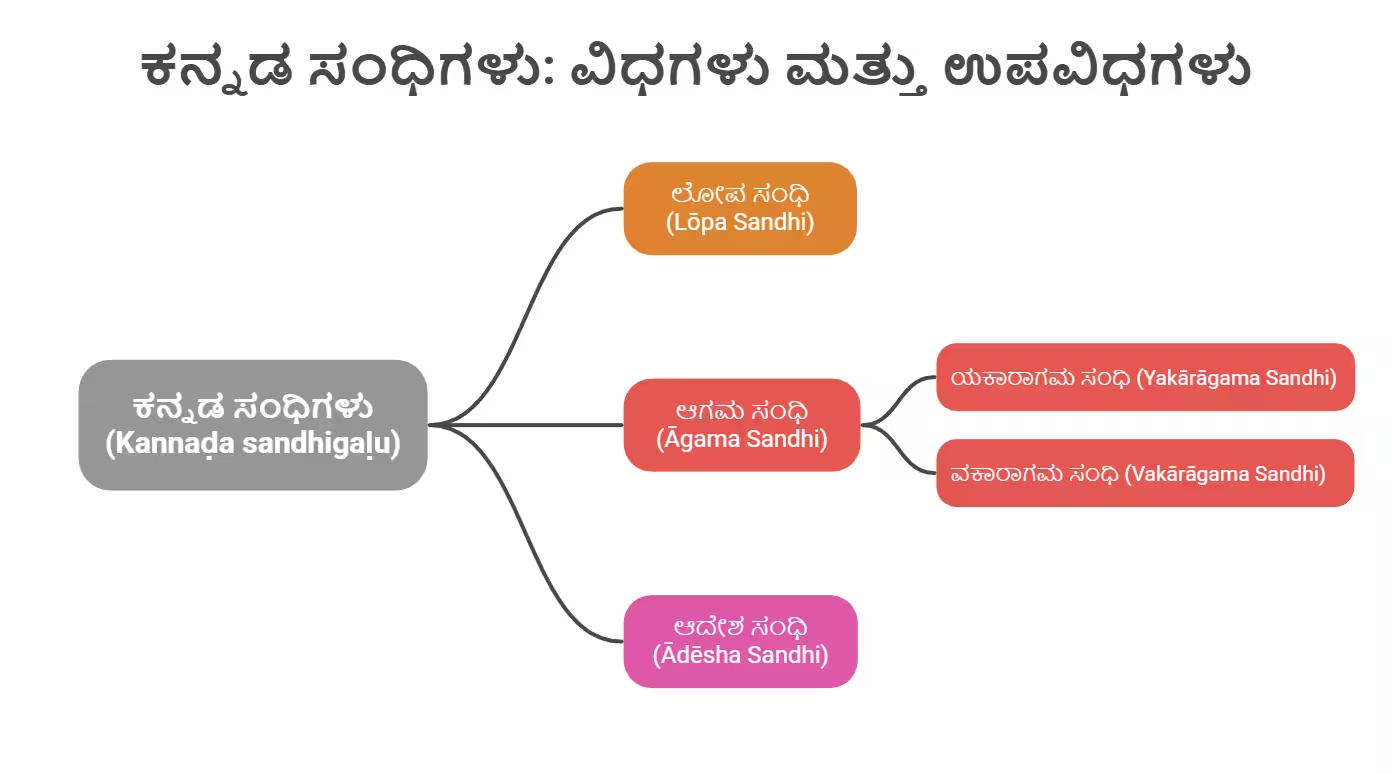
ಲೋಪ ಸಂಧಿ (Lōpa Sandhi) - Elision Sandhi
In Kannada, when a vowel meets another vowel, sometimes the first vowel disappears to make pronunciation easier. This disappearance or dropping of a vowel is called ಲೋಪ ಸಂಧಿ (lōpa sandhi) - elision sandhi. The rule is simple: if dropping the vowel does not change or spoil the original meaning of the word, we drop the last vowel of the first word.
ಕನ್ನಡದಲ್ಲಿ, ಒಂದು ಸ್ವರದ ಮುಂದೆ ಇನ್ನೊಂದು ಸ್ವರ ಬಂದಾಗ, ಉಚ್ಚಾರಣೆಯನ್ನು ಸುಲಭ ಮಾಡಲು ಕೆಲವೊಮ್ಮೆ ಮೊದಲನೇ ಸ್ವರವು ಮಾಯವಾಗುತ್ತದೆ. ಹೀಗೆ ಸ್ವರವು ಬಿಟ್ಟುಹೋಗುವುದಕ್ಕೆ ಅಥವಾ ಮಾಯವಾಗುವುದಕ್ಕೆ ಲೋಪ ಸಂಧಿ (lōpa sandhi) - elision sandhi ಎಂದು ಕರೆಯುತ್ತಾರೆ. ಇದರ ನಿಯಮ ತುಂಬಾ ಸರಳ: ಸ್ವರವನ್ನು ತೆಗೆಯುವುದರಿಂದ ಪದದ ಅರ್ಥ ಕೆಡುವುದಿಲ್ಲ ಎಂದಾದರೆ, ನಾವು ಮೊದಲನೇ ಪದದ ಕೊನೆಯ ಸ್ವರವನ್ನು ತೆಗೆದುಹಾಕುತ್ತೇವೆ.
Let us look at five common examples. Notice how the final vowel of the first word is completely dropped when the words merge.
- ಊರನ್ನು (urannu) = ಊರು (uru) + ಅನ್ನು (annu). Here, the 'u' at the end of 'uru' is dropped.
- ನಮ್ಮಲ್ಲಿ (nammalli) = ನಮ್ಮ (namma) + ಅಲ್ಲಿ (alli). Here, the 'a' at the end of 'namma' is dropped.
- ಬೇರೊಬ್ಬ (berobba) = ಬೇರೆ (bere) + ಒಬ್ಬ (obba). Here, the 'e' at the end of 'bere' is dropped.
- ಮಾತಲ್ಲಿ (matalli) = ಮಾತು (matu) + ಅಲ್ಲಿ (alli). Here, the 'u' at the end of 'matu' is dropped.
- ಅವರಿಲ್ಲ (avarilla) = ಅವರು (avaru) + ಇಲ್ಲ (illa). Here, the 'u' at the end of 'avaru' is dropped.
| ಪದ (Word) | ಮೊದಲು (Before) | ನಂತರ (After) |
|---|---|---|
| ಊರನ್ನು (urannu) | ಊರ್ + ಉ + ಅನ್ನು (ūr + u + annu) | ಊರ್ + ಅನ್ನು (ūr + annu) |
| ನಮ್ಮಲ್ಲಿ (nammalli) | ನಮ್ + ಅ + ಅಲ್ಲಿ (nam + a + alli) | ನಮ್ + ಅಲ್ಲಿ (nam + alli) |
| ಬೇರೊಬ್ಬ (berobba) | ಬೇರ್ + ಎ + ಒಬ್ಬ (bēr + e + obba) | ಬೇರ್ + ಒಬ್ಬ (bēr + obba) |
ಆಗಮ ಸಂಧಿ (Āgama Sandhi) - Insertion Sandhi
What if dropping a vowel changes the meaning of the word? In such cases, instead of dropping a vowel, we bring in a new friendly consonant to sit between the two vowels. This insertion of a new letter is called ಆಗಮ ಸಂಧಿ (āgama sandhi) - insertion sandhi. Usually, the newly added letter is either 'y' or 'v'.
If 'y' is inserted, we call it ಯಕಾರಾಗಮ (yakārāgama) - 'y' insertion.
If 'v' is inserted, we call it ವಕಾರಾಗಮ (vakārāgama) - 'v' insertion. Generally,
words ending with a, i, e, or ai take 'y', and words ending with u, o, or ru take 'v'.
ಒಂದು ವೇಳೆ ಪೂರ್ವಪದದ ಸ್ವರವನ್ನು ತೆಗೆದರೆ ಅರ್ಥ ಬದಲಾಗುವ ಸಂದರ್ಭದಲ್ಲಿ, ಪೂರ್ವಪದ ಮತ್ತು ಉತ್ತರಪದಗಳ ನಡುವೆ ಹೊಸ ವ್ಯಂಜನವೊಂದು ಬಂದು ಸೇರಿಕೊಳ್ಳುತ್ತದೆ. ಹೀಗೆ ಹೊಸ ವರ್ಣ ಬಂದು ಸೇರುವ ಸಂಧಿಗೆ ಆಗಮ ಸಂಧಿ ಎಂದು ಹೆಸರು.
ಇದರಲ್ಲಿ ಎರಡು ವಿಧ: ಯಕಾರಾಗಮ ಮತ್ತು ವಕಾರಾಗಮ.
ಪೂರ್ವಪದದ ಕೊನೆಯಲ್ಲಿ ಅ, ಇ, ಈ, ಎ, ಏ, ಐ ಸ್ವರಗಳಿದ್ದು ಉತ್ತರಪದ ಸ್ವರದಿಂದ ಆರಂಭವಾದಾಗ 'ಯ್' ವ್ಯಂಜನ ಹೊಸದಾಗಿ ಆಗಮಿಸುತ್ತದೆ, ಇದಕ್ಕೆ 'ಯಕಾರಾಗಮ ಸಂಧಿ' ಎನ್ನುತ್ತಾರೆ.
ಅದೇ ರೀತಿ, ಪೂರ್ವಪದದ ಕೊನೆಯಲ್ಲಿ ಉ, ಊ, ಋ, ಒ, ಓ, ಔ ಸ್ವರಗಳಿದ್ದು ಉತ್ತರಪದ ಸ್ವರದಿಂದ ಆರಂಭವಾದಾಗ 'ವ್' ವ್ಯಂಜನ ಆಗಮಿಸುತ್ತದೆ, ಇದಕ್ಕೆ 'ವಕಾರಾಗಮ ಸಂಧಿ' ಎನ್ನುತ್ತಾರೆ.
Here are five examples showing how 'y' and 'v' smoothly bridge the gap between two vowels.
- ಮನೆಯನ್ನು (maneyannu) = ಮನೆ (mane) + ಅನ್ನು (annu). Here 'y' is inserted (yakārāgama).
- ಮಗುವಿಗೆ (maguvige) = ಮಗು (magu) + ಇಗೆ (ige). Here 'v' is inserted (vakārāgama).
- ನಾಯಿಯನ್ನು (nayiyannu) = ನಾಯಿ (nayi) + ಅನ್ನು (annu). Here 'y' is inserted (yakārāgama).
- ಹೂವನ್ನು (huvannu) = ಹೂ (hu) + ಅನ್ನು (annu). Here 'v' is inserted (vakārāgama).
- ಕೆರೆಯಲ್ಲಿ (kereyalli) = ಕೆರೆ (kere) + ಅಲ್ಲಿ (alli). Here 'y' is inserted (yakārāgama).
| ಪದ (Word) | ಸಂಧಿಯ ಪ್ರಕಾರ (Type of Sandhi) | ಮೊದಲು (Before) | ನಂತರ (After) |
|---|---|---|---|
| ಮನೆಯನ್ನು (maneyannu) | ಆಗಮ (ಯಕಾರ) (āgama - y) | ಮನೆ + ಅನ್ನು (mane + annu) | ಮನೆ + ಯ್ + ಅನ್ನು (mane + y + annu) |
| ಮಗುವಿಗೆ (maguvige) | ಆಗಮ (ವಕಾರ) (āgama - v) | ಮಗು + ಇಗೆ (magu + ige) | ಮಗು + ವ್ + ಇಗೆ (magu + v + ige) |
| ಹೂವನ್ನು (huvannu) | ಆಗಮ (ವಕಾರ) (āgama - v) | ಹೂ + ಅನ್ನು (hū + annu) | ಹೂ + ವ್ + ಅನ್ನು (hū + v + annu) |
ಆದೇಶ ಸಂಧಿ (Ādēśa Sandhi) - Substitution Sandhi
The third sandhi involves consonants. Sometimes, when words join, a hard consonant at the beginning of the second word is replaced by a softer consonant. This replacement is called ಆದೇಶ ಸಂಧಿ (ādēśa sandhi) - substitution sandhi. The most common rule here is that the letters 'k', 't', and 'p' at the start of the second word transform into 'g', 'd', and 'b' respectively.
ಕನ್ನಡದ ಮೂರನೇ ಸಂಧಿ ವ್ಯಂಜನ ಸಂಧಿಯಾಗಿದ್ದು, ಇದಕ್ಕೆ ಆದೇಶ ಸಂಧಿ ಎಂದು ಹೆಸರು. ಪದಗಳು ಸೇರುವಾಗ ಉತ್ತರಪದದ ಆದಿಯಲ್ಲಿರುವ ವ್ಯಂಜನವು ಲೋಪವಾಗಿ, ಆ ಸ್ಥಳದಲ್ಲಿ ಹೊಸದಾಗಿ ಮತ್ತೊಂದು ವ್ಯಂಜನ ಆಗಮಿಸುತ್ತದೆ. ಇದರ ಪ್ರಮುಖ ನಿಯಮವೆಂದರೆ, ಉತ್ತರಪದದ ಆದಿಯಲ್ಲಿ 'ಕ', 'ತ', 'ಪ' ವ್ಯಂಜನಗಳು ಬಂದಾಗ, ಅವುಗಳ ಜಾಗದಲ್ಲಿ ಕ್ರಮವಾಗಿ 'ಗ', 'ದ', 'ಬ' ಎಂಬ ವ್ಯಂಜನಗಳು ಆದೇಶವಾಗಿ ಬರುತ್ತವೆ.
Let us observe five examples of these consonant substitutions in action.
- ಮಳೆಗಾಲ (malegala) = ಮಳೆ (male) + ಕಾಲ (kala). Here 'k' becomes 'g'.
- ಮೈದೊಳೆ (maidole) = ಮೈ (mai) + ತೊಳೆ (tole). Here 't' becomes 'd'.
- ಕಣ್ಬನಿ (kanbani) = ಕಣ್ (kan) + ಪನಿ (pani). Here 'p' becomes 'b'.
- ಬೆಟ್ಟದಾವರೆ (bettadavare) = ಬೆಟ್ಟ (betta) + ತಾವರೆ (tavare). Here 't' becomes 'd'.
- ಹೊಸಗನ್ನಡ (hosagannada) = ಹೊಸ (hosa) + ಕನ್ನಡ (kannada). Here 'k' becomes 'g'.
| ಪದ (Word) | ಮೊದಲು (Before) | ನಂತರ (After) |
|---|---|---|
| ಮಳೆಗಾಲ (malegala) | ಮಳೆ + ಕಾಲ (maḷe + kāla) | ಮಳೆ + ಗಾಲ (maḷe + gāla) |
| ಮೈದೊಳೆ (maidole) | ಮೈ + ತೊಳೆ (mai + toḷe) | ಮೈ + ದೊಳೆ (mai + doḷe) |
| ಕಣ್ಬನಿ (kanbani) | ಕಣ್ + ಪನಿ (kaṇ + pani) | ಕಣ್ + ಬನಿ (kaṇ + bani) |
ಸಂಸ್ಕೃತ ಸಂಧಿಗಳು (Saṁskr̥ta Sandhigaḷu) - Sanskrit Sandhis
Now we move to a slightly different set of rules. Kannada has borrowed many words from Sanskrit over the centuries. When two pure Sanskrit words join together in Kannada, they do not follow the native rules we just learned. Instead, they follow their own traditional rules known as ಸಂಸ್ಕೃತ ಸಂಧಿಗಳು (samskruta sandhigaḷu) - Sanskrit sandhis. It is important to remember that these rules only apply when both the first word and the second word are Sanskrit. Let us look at the important vowel and consonant sandhis in this category.
ಕನ್ನಡ ಭಾಷೆಗೆ ಸಾವಿರಾರು ವರ್ಷಗಳಿಂದ ಸಂಸ್ಕೃತದ ಅನೇಕ ಶಬ್ದಗಳು ಬಂದು ಸೇರಿವೆ. ಈ ಸಂಸ್ಕೃತ ಶಬ್ದಗಳು ಪರಸ್ಪರ ಸೇರುವಾಗ ಕನ್ನಡ ಸಂಧಿಯ ನಿಯಮಗಳು ಅನ್ವಯವಾಗದೆ, ಅವುಗಳದೇ ಆದ ಪ್ರತ್ಯೇಕ ನಿಯಮಗಳು ಅನ್ವಯವಾಗುತ್ತವೆ. ಇವುಗಳಿಗೆ ಸಂಸ್ಕೃತ ಸಂಧಿಗಳು ಎಂದು ಹೆಸರು. ಪೂರ್ವಪದ ಮತ್ತು ಉತ್ತರಪದ ಎರಡೂ ಸಂಸ್ಕೃತ ಶಬ್ದಗಳಾಗಿದ್ದಾಗ ಮಾತ್ರ ಈ ನಿಯಮಗಳು ಅನ್ವಯಿಸುತ್ತವೆ ಎಂಬುದನ್ನು ನೆನಪಿನಲ್ಲಿಟ್ಟುಕೊಳ್ಳಬೇಕು. ಸಂಸ್ಕೃತ ಸಂಧಿಗಳಲ್ಲಿ ಪ್ರಮುಖವಾಗಿ 'ಸ್ವರಸಂಧಿಗಳು' ಮತ್ತು 'ವ್ಯಂಜನ ಸಂಧಿಗಳೆಂಬ' ಎರಡು ಪ್ರಕಾರಾಗಳಿದ್ದು, ಅವುಗಳನ್ನು ಒಂದೊಂದಾಗಿ ನೋಡೋಣ.
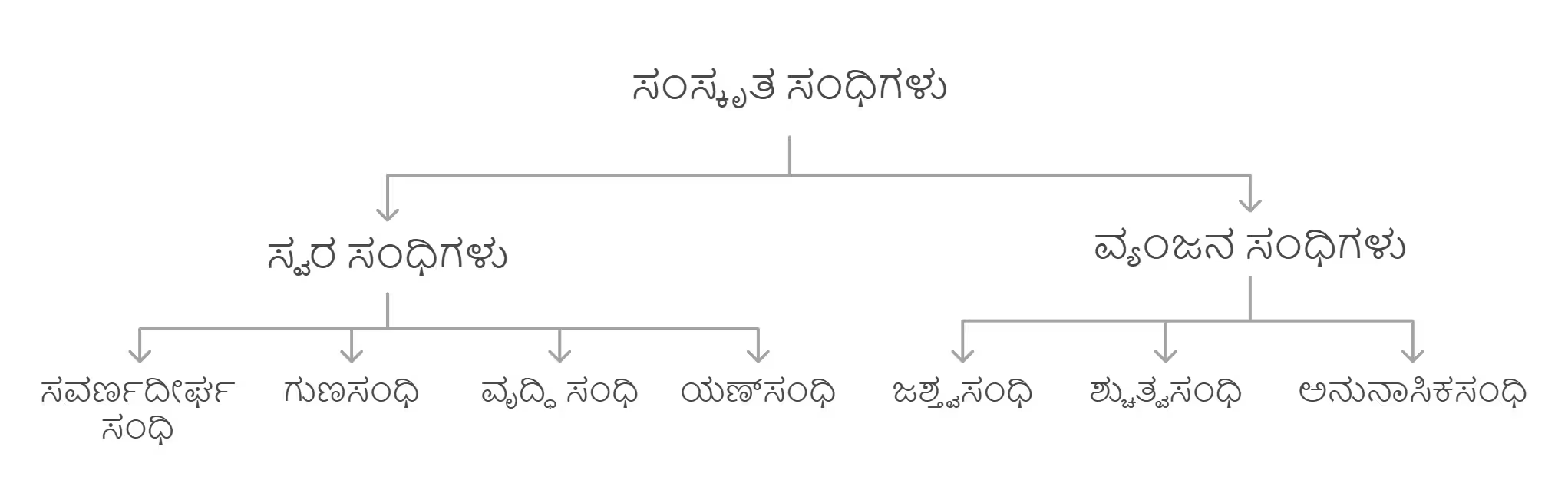
ಸ್ವರಸಂಧಿಗಳು (Svarasandhigaḷu) - Vowel Sandhis
ಸವರ್ಣದೀರ್ಘ ಸಂಧಿ (savarṇadīrgha sandhi) - Long Vowel Sandhi
The word 'savarna' means 'same class' or 'similar'. When two similar vowels like 'a' and 'a', 'i' and 'i', or 'u' and 'u' meet, they combine to form the long version of that same vowel. This resulting long vowel is called a 'dirgha' vowel. This lengthening process is known as ಸವರ್ಣದೀರ್ಘ ಸಂಧಿ (savarṇadīrgha sandhi) - long vowel sandhi.
'ಸವರ್ಣ' ಎಂಬ ಪದದ ಅರ್ಥ 'ಒಂದೇ ವರ್ಗದ' ಅಥವಾ 'ಒಂದೇ ರೀತಿಯ' ಎಂದು. 'ಅ'+'ಅ', 'ಇ'+'ಇ', 'ಉ'+'ಉ' ನಂತಹ ಒಂದೇ ಜಾತಿಯ ಸ್ವರಗಳು ಒಂದರ ಮುಂದೊಂದು ಬಂದು ಸಂಧಿಯಾದಾಗ, ಅವೆರಡರ ಸ್ಥಾನದಲ್ಲಿ ಅದೇ ಸ್ವರದ ದೀರ್ಘರೂಪ ಆದೇಶವಾಗಿ ಬರುತ್ತದೆ. ಹೀಗೆ ಉಂಟಾಗುವ ಸಂಧಿಗೆ ಸವರ್ಣದೀರ್ಘ ಸಂಧಿ ಎಂದು ಹೆಸರು.
- ದೇವಾಸುರ (dēvāsura) = ದೇವ (dēva) + ಅಸುರ (asura). Here 'a' + 'a' becomes 'ā'.
- ವಿದ್ಯಾಭ್ಯಾಸ (vidyābhyāsa) = ವಿದ್ಯಾ (vidyā) + ಅಭ್ಯಾಸ (abhyāsa). Here 'ā' + 'a' becomes 'ā'.
- ಗಿರೀಶ (girīśa) = ಗಿರಿ (giri) + ಈಶ (īśa). Here 'i' + 'ī' becomes 'ī'.
- ಗುರೂಪದೇಶ (gurūpadēśa) = ಗುರು (guru) + ಉಪದೇಶ (upadēśa). Here 'u' + 'u' becomes 'ū'.
- ಮಹಾತ್ಮ (mahātma) = ಮಹಾ (mahā) + ಆತ್ಮ (ātma). Here 'ā' + 'ā' becomes 'ā'.
| ಪದ (Word) | ಮೊದಲು (Before) | ನಂತರ (After) | ಟಿಪ್ಪಣಿ (Note) |
|---|---|---|---|
| ದೇವಾಸುರ (dēvāsura) | ದೇವ + ಅಸುರ (dēva + asura) | ದೇವ್ + ಆ + ಸುರ | ಅ + ಅ = ಆ |
| ವಿದ್ಯಾಭ್ಯಾಸ (vidyābhyāsa) | ವಿದ್ಯಾ + ಅಭ್ಯಾಸ (vidyā + abhyāsa) | ವಿದ್ಯ್ + ಆ + ಭ್ಯಾಸ | ಆ + ಅ = ಆ |
| ಗಿರೀಶ (girīśa) | ಗಿರಿ + ಈಶ (giri + īśa) | ಗಿರ್ + ಈ + ಶ | ಇ + ಈ = ಈ |
| ಗುರೂಪದೇಶ (gurūpadēśa) | ಗುರು + ಉಪದೇಶ (guru + upadēśa) | ಗುರ್ + ಊ + ಪದೇಶ | ಉ + ಉ = ಊ |
| ಮಹಾತ್ಮ (mahātma) | ಮಹಾ + ಆತ್ಮ (mahā + ātma) | ಮಹ್ + ಆ + ತ್ಮ | ಆ + ಆ = ಆ |
ಗುಣ ಸಂಧಿ (Guṇa Sandhi) - Guna Sandhi
What happens when different vowels meet? If the first word ends in 'a' or 'aa' and the second word begins with 'i' or 'ii', the resulting sound is 'e'. If it meets 'u' or 'uu', the sound becomes 'o'. If it meets the vowel 'ru', the sound becomes 'ar'. This specific set of changes is called ಗುಣ ಸಂಧಿ (guṇa sandhi) - guna sandhi.
ಪೂರ್ವಪದವು 'ಅ' ಅಥವಾ 'ಆ' ಕಾರದಿಂದ ಕೊನೆಗೊಂಡು, ಉತ್ತರಪದವು 'ಇ' ಅಥವಾ 'ಈ' ಕಾರದಿಂದ ಆರಂಭವಾದರೆ, ಅವೆರಡರ ಸ್ಥಾನದಲ್ಲಿ 'ಏ' ಕಾರ ಆದೇಶವಾಗಿ ಬರುತ್ತದೆ. ಉತ್ತರಪದವು 'ಉ' ಅಥವಾ 'ಊ' ಕಾರದಿಂದ ಆರಂಭವಾದರೆ 'ಓ' ಕಾರವೂ, 'ಋ' ಕಾರದಿಂದ ಆರಂಭವಾದರೆ 'ಅರ್' ಕಾರವೂ ಆದೇಶವಾಗಿ ಬರುತ್ತದೆ. ಈ ಮೂರು ಸಂದರ್ಭಗಳಲ್ಲಿ ಆಗುವ ಸಂಧಿಗೆ ಗುಣಸಂಧಿ ಎಂದು ಹೆಸರು.
- ಸುರೇಂದ್ರ (surēndra) = ಸುರ (sura) + ಇಂದ್ರ (indra). Here 'a' + 'i' becomes 'ē'.
- ಮಹೇಶ (mahēśa) = ಮಹಾ (mahā) + ಈಶ (īśa). Here 'ā' + 'ī' becomes 'ē'.
- ಸೂರ್ಯೋದಯ (sūryōdaya) = ಸೂರ್ಯ (sūrya) + ಉದಯ (udaya). Here 'a' + 'u' becomes 'ō'.
- ಮಹೋತ್ಸವ (mahōtsava) = ಮಹಾ (mahā) + ಉತ್ಸವ (utsava). Here 'ā' + 'u' becomes 'ō'.
- ದೇವರ್ಷಿ (dēvarṣi) = ದೇವ (dēva) + ಋಷಿ (ṛṣi). Here 'a' + 'ṛ' becomes 'ar'.
| ಪದ (Word) | ಮೊದಲು (Before) | ನಂತರ (After) | ಟಿಪ್ಪಣಿ (Note) |
|---|---|---|---|
| ಸುರೇಂದ್ರ (surēndra) | ಸುರ + ಇಂದ್ರ (sura + indra) | ಸುರ್ + ಏ + ಂದ್ರ | ಅ + ಇ = ಏ |
| ಮಹೇಶ (mahēśa) | ಮಹಾ + ಈಶ (mahā + īśa) | ಮಹ್ + ಏ + ಶ | ಆ + ಈ = ಏ |
| ಸೂರ್ಯೋದಯ (sūryōdaya) | ಸೂರ್ಯ + ಉದಯ (sūrya + udaya) | ಸೂರ್ಯ್ + ಓ + ದಯ | ಅ + ಉ = ಓ |
| ಮಹೋತ್ಸವ (mahōtsava) | ಮಹಾ + ಉತ್ಸವ (mahā + utsava) | ಮಹ್ + ಓ + ತ್ಸವ | ಆ + ಉ = ಓ |
| ದೇವರ್ಷಿ (dēvarṣi) | ದೇವ + ಋಷಿ (dēva + ṛṣi) | ದೇವ್ + ಅರ್ + ಷಿ | ಅ + ಋ = ಅರ್ |
ವೃದ್ಧಿ ಸಂಧಿ (Vṛddhi Sandhi) - Vriddhi Sandhi
The word 'vriddhi' means 'growth' or 'increase'. In this sandhi, if the first word ends in 'a' or 'aa' and meets 'e' or 'ai', the resulting joined sound grows into 'ai'. Similarly, if it meets 'o' or 'au', the resulting sound grows into 'au'. This growth into 'ai' and 'au' is called ವೃದ್ಧಿ ಸಂಧಿ (vṛddhi sandhi) - vriddhi sandhi.
'ವೃದ್ಧಿ' ಎಂದರೆ 'ಬೆಳವಣಿಗೆ' ಅಥವಾ 'ಏರಿಕೆ' ಎಂದರ್ಥ. ಪೂರ್ವಪದವು 'ಅ' ಅಥವಾ 'ಆ' ಕಾರದಿಂದ ಕೊನೆಗೊಂಡು, ಉತ್ತರಪದವು 'ಏ' ಅಥವಾ 'ಐ' ಕಾರದಿಂದ ಆರಂಭವಾದರೆ, ಅವೆರಡರ ಸ್ಥಾನದಲ್ಲಿ 'ಐ' ಕಾರ ಆದೇಶವಾಗಿ ಬರುತ್ತದೆ. ಉತ್ತರಪದವು 'ಓ' ಅಥವಾ 'ಔ' ಕಾರದಿಂದ ಆರಂಭವಾದರೆ, ಅವೆರಡರ ಸ್ಥಾನದಲ್ಲಿ 'ಔ' ಕಾರ ಆದೇಶವಾಗಿ ಬರುತ್ತದೆ. ಹೀಗೆ ಸ್ವರಗಳು ವೃದ್ಧಿ ಹೊಂದಿ ಆಗುವ ಈ ಸಂಧಿಗೆ ವೃದ್ಧಿ ಸಂಧಿ ಎಂದು ಹೆಸರು.
- ಏಕೈಕ (ēkaika) = ಏಕ (ēka) + ಏಕ (ēka). Here 'a' + 'ē' grows into 'ai'.
- ಲೋಕೈಕವೀರ (lōkaikavīra) = ಲೋಕ (lōka) + ಏಕವೀರ (ēkavīra). Here 'a' + 'ē' grows into 'ai'.
- ವನೌಷಧಿ (vanauṣadhi) = ವನ (vana) + ಔಷಧಿ (auṣadhi). Here 'a' + 'au' grows into 'au'.
- ಮಹೌದಾರ್ಯ (mahaudārya) = ಮಹಾ (mahā) + ಔದಾರ್ಯ (audārya). Here 'ā' + 'au' grows into 'au'.
| ಪದ (Word) | ಮೊದಲು (Before) | ನಂತರ (After) | ಟಿಪ್ಪಣಿ (Note) |
|---|---|---|---|
| ಏಕೈಕ (ēkaika) | ಏಕ + ಏಕ (ēka + ēka) | ಏಕ್ + ಐ + ಕ | ಅ + ಏ = ಐ |
| ಲೋಕೈಕವೀರ (lōkaikavīra) | ಲೋಕ + ಏಕವೀರ (lōka + ēkavīra) | ಲೋಕ್ + ಐ + ಕವೀರ | ಅ + ಏ = ಐ |
| ವನೌಷಧಿ (vanauṣadhi) | ವನ + ಔಷಧಿ (vana + auṣadhi) | ವನ್ + ಔ + ಷಧಿ | ಅ + ಔ = ಔ |
| ಮಹೌದಾರ್ಯ (mahaudārya) | ಮಹಾ + ಔದಾರ್ಯ (mahā + audārya) | ಮಹ್ + ಔ + ದಾರ್ಯ | ಆ + ಔ = ಔ |
ಯಣ್ ಸಂಧಿ (Yaṇ sandhi) - Yan Sandhi
This sandhi behaves a bit differently. When the vowels 'i', 'u', or 'ru' at the end of the first word meet a dissimilar vowel, they do not merge into a new vowel. Instead, they transform into the consonants 'y', 'v', and 'r' respectively. This transformation of a vowel into a consonant at the junction is known as ಯಣ್ ಸಂಧಿ (yaṇ sandhi) - yan sandhi.
ಈ ಸಂಧಿಯ ನಿಯಮ ಸ್ವಲ್ಪ ಭಿನ್ನವಾಗಿದೆ. ಪೂರ್ವಪದದ ಕೊನೆಯಲ್ಲಿ 'ಇ', 'ಈ', 'ಉ', 'ಊ' ಅಥವಾ 'ಋ' ಕಾರಗಳಿದ್ದು, ಉತ್ತರಪದ ಸವರ್ಣವಲ್ಲದ ಸ್ವರದಿಂದ ಆರಂಭವಾದರೆ, ಆ ಸ್ವರಗಳ ಸ್ಥಾನದಲ್ಲಿ ವ್ಯಂಜನಗಳು ಆದೇಶವಾಗಿ ಬರುತ್ತವೆ. ಅಂದರೆ 'ಇ', 'ಈ' ಕಾರಗಳಿಗೆ 'ಯ್' ಕಾರವೂ, 'ಉ', 'ಊ' ಕಾರಗಳಿಗೆ 'ವ್' ಕಾರವೂ, 'ಋ' ಕಾರಕ್ಕೆ 'ರ್' ಕಾರವೂ ಆದೇಶವಾಗಿ ಬರುತ್ತದೆ. ಹೀಗೆ ಸ್ವರದ ಸ್ಥಾನದಲ್ಲಿ 'ಯ್', 'ವ್', 'ರ್' ಎಂಬ ವ್ಯಂಜನಗಳು ಆದೇಶವಾಗಿ ಬರುವ ಸಂಧಿಗೆ ಯಣ್ ಸಂಧಿ ಎಂದು ಹೆಸರು.
- ಅತ್ಯಂತ (atyanta) = ಅತಿ (ati) + ಅಂತ (anta). Here 'i' + 'a' becomes 'y'.
- ಮನ್ವಂತರ (manvantara) = ಮನು (manu) + ಅಂತರ (antara). Here 'u' + 'a' becomes 'v'.
- ಪಿತ್ರಾರ್ಜಿತ (pitrārjita) = ಪಿತೃ (pitṛ) + ಆರ್ಜಿತ (ārjita). Here 'ṛ' + 'ā' becomes 'r'.
| ಪದ (Word) | ಮೊದಲು (Before) | ನಂತರ (After) | ಟಿಪ್ಪಣಿ (Note) |
|---|---|---|---|
| ಅತ್ಯಂತ (atyanta) | ಅತಿ + ಅಂತ (ati + anta) | ಅತ್ + ಯ್ + ಅಂತ | ಇ + ಅ = ಯ್ |
| ಮನ್ವಂತರ (manvantara) | ಮನು + ಅಂತರ (manu + antara) | ಮನ್ + ವ್ + ಅಂತರ | ಉ + ಅ = ವ್ |
| ಪಿತ್ರಾರ್ಜಿತ (pitrārjita) | ಪಿತೃ + ಆರ್ಜಿತ (pitṛ + ārjita) | ಪಿತ್ + ರ್ + ಆರ್ಜಿತ | ಋ + ಆ = ರ್ |
ವ್ಯಂಜನ ಸಂಧಿ (Vyañjana Sandhi) - Consonant Sandhi
ಜಶ್ತ್ವ ಸಂಧಿ (Jaśtva Sandhi) - Jashtva Sandhi
Now let us look at the first consonant sandhi. In traditional Kannada and Sanskrit grammar, consonants are grouped into classes or vargas. When a first letter of a class like 'k, c, ṭ, t, p' at the end of the first word meets a vowel or certain other consonants at the beginning of the second word, it transforms into the third letter of its own class. This means 'k' becomes 'g', 'c' becomes 'j', 'ṭ' becomes 'ḍ', 't' becomes 'd', and 'p' becomes 'b'. This specific transformation from the first letter to the third letter is called ಜಶ್ತ್ವ ಸಂಧಿ (jaśtva sandhi) - jashtva sandhi.
ಕನ್ನಡ ಮತ್ತು ಸಂಸ್ಕೃತ ವ್ಯಾಕರಣದಲ್ಲಿ ವ್ಯಂಜನಗಳನ್ನು ವರ್ಗಗಳಾಗಿ ವಿಭಾಗಿಸಲಾಗಿದೆ. ಪೂರ್ವಪದದ ಕೊನೆಯಲ್ಲಿ ವರ್ಗದ ಪ್ರಥಮ ವರ್ಣಗಳಾದ ಕ, ಚ, ಟ, ತ, ಪ ಗಳಿದ್ದು, ಉತ್ತರಪದವು ಸ್ವರ ಅಥವಾ ಇತರ ವರ್ಣಗಳಿಂದ ಆರಂಭವಾದಾಗ, ಆ ಪ್ರಥಮ ವರ್ಣಗಳ ಸ್ಥಾನದಲ್ಲಿ ಅದೇ ವರ್ಗದ ತೃತೀಯ ವರ್ಣಗಳು ಆದೇಶವಾಗಿ ಬರುತ್ತವೆ. ಅಂದರೆ 'ಕ' ಕಾರಕ್ಕೆ 'ಗ' ಕಾರವೂ, 'ಚ' ಕಾರಕ್ಕೆ 'ಜ' ಕಾರವೂ, 'ಟ' ಕಾರಕ್ಕೆ 'ಡ' ಕಾರವೂ, 'ತ' ಕಾರಕ್ಕೆ 'ದ' ಕಾರವೂ, 'ಪ' ಕಾರಕ್ಕೆ 'ಬ' ಕಾರವೂ ಆದೇಶವಾಗಿ ಬರುತ್ತದೆ. ಹೀಗೆ ವರ್ಗದ ಪ್ರಥಮ ವರ್ಣದ ಸ್ಥಾನದಲ್ಲಿ ತೃತೀಯ ವರ್ಣ ಆದೇಶವಾಗಿ ಬರುವ ಸಂಧಿಗೆ ಜಶ್ತ್ವ ಸಂಧಿ ಎಂದು ಹೆಸರು.
- ವಾಗ್ದೇವಿ (vāgdēvi) = ವಾಕ್ (vāk) + ದೇವಿ (dēvi). Here 'k' becomes 'g'.
- ಅಜಂತ (ajanta) = ಅಚ್ (ac) + ಅಂತ (anta). Here 'c' becomes 'j'.
- ಷಡಂಗ (ṣaḍaṅga) = ಷಟ್ (ṣaṭ) + ಅಂಗ (aṅga). Here 'ṭ' becomes 'ḍ'.
- ಸದ್ಭಾವ (sadbhāva) = ಸತ್ (sat) + ಭಾವ (bhāva). Here 't' becomes 'd'.
| ಪದ (Word) | ಮೊದಲು (Before) | ನಂತರ (After) | ಟಿಪ್ಪಣಿ (Note) |
|---|---|---|---|
| ವಾಗ್ದೇವಿ (vāgdēvi) | ವಾಕ್ + ದೇವಿ (vāk + dēvi) | ವಾಗ್ + ದೇವಿ | ಕ್ ಬದಲಿಗೆ ಗ್ ಬರುತ್ತದೆ |
| ಅಜಂತ (ajanta) | ಅಚ್ + ಅಂತ (ac + anta) | ಅಜ್ + ಅಂತ | ಚ್ ಬದಲಿಗೆ ಜ್ ಬರುತ್ತದೆ |
| ಷಡಂಗ (ṣaḍaṅga) | ಷಟ್ + ಅಂಗ (ṣaṭ + aṅga) | ಷಡ್ + ಅಂಗ | ಟ್ ಬದಲಿಗೆ ಡ್ ಬರುತ್ತದೆ |
| ಸದ್ಭಾವ (sadbhāva) | ಸತ್ + ಭಾವ (sat + bhāva) | ಸದ್ + ಭಾವ | ತ್ ಬದಲಿಗೆ ದ್ ಬರುತ್ತದೆ |
ಶ್ಚುತ್ವ ಸಂಧಿ (Ścutva Sandhi) - Schutva Sandhi
In Kannada, when the consonant 's' or any letter from the 't' class (t, th, d, dh, n) at the end of the first word meets the consonant 'ś' or any letter from the 'c' class (c, ch, j, jh, ñ) at the beginning of the second word, a specific transformation happens. The 's' sound transforms into 'ś', and the 't' class letters transform into their corresponding 'c' class letters. For instance, 's' becomes 'ś', and 't' becomes 'c'. Because the resulting sounds predominantly feature the 'ś' and 'c' sounds (which combine to sound like 'ścu'), this specific change is called ಶ್ಚುತ್ವ ಸಂಧಿ (ścutva sandhi) - schutva sandhi.
ಸಂಸ್ಕೃತದಲ್ಲಿ ಪೂರ್ವಪದದ ಅಂತ್ಯದಲ್ಲಿ 'ಸ್' ಅಥವಾ 'ತ' ವರ್ಗದ ಅಕ್ಷರಗಳಾದ (ತ್, ಥ್, ದ್, ಧ್, ನ್) ಇದ್ದು, ಉತ್ತರಪದದ ಆದಿಯಲ್ಲಿ 'ಶ್' ಅಥವಾ 'ಚ' ವರ್ಗದ ಅಕ್ಷರಗಳಾದ (ಚ್, ಛ್, ಜ್, ಝ್, ಞ್) ಬಂದಾಗ, ಪೂರ್ವಪದದ 'ಸ್' ಅಕ್ಷರಕ್ಕೆ 'ಶ್' ಕಾರವೂ, 'ತ' ವರ್ಗದ ಅಕ್ಷರಗಳಿಗೆ ಕ್ರಮವಾಗಿ 'ಚ' ವರ್ಗದ ಅಕ್ಷರಗಳೂ ಆದೇಶವಾಗಿ ಬರುತ್ತವೆ. ಈ ರೀತಿ 'ಶ್ಚು' ಅಕ್ಷರಗಳು ಆದೇಶಗಳಾಗಿ ಬರುವ ಸಂಧಿಗೆ ಶ್ಚುತ್ವ ಸಂಧಿ ಎಂದು ಹೆಸರು.
- ಮನಶ್ಶಾಂತಿ (manaśśānti) = ಮನಸ್ (manas) + ಶಾಂತಿ (śānti). Here 's' becomes 'ś'.
- ಸಚ್ಚರಿತ್ರ (saccaritra) = ಸತ್ (sat) + ಚರಿತ್ರ (caritra). Here 't' becomes 'c'.
- ಶರಚ್ಚಂದ್ರ (śaraccandra) = ಶರತ್ (śarat) + ಚಂದ್ರ (candra). Here 't' becomes 'c'.
- ತಪಶ್ಚರ್ಯೆ (tapaścarye) = ತಪಸ್ (tapas) + ಚರ್ಯೆ (carye). Here 's' becomes 'ś'.
- ಜಗಚ್ಚಕ್ಷು (jagaccakṣu) = ಜಗತ್ (jagat) + ಚಕ್ಷು (cakṣu). Here 't' becomes 'c'.
| ಪದ (Word) | ಮೊದಲು (Before) | ನಂತರ (After) | ಟಿಪ್ಪಣಿ (Note) |
|---|---|---|---|
| ಮನಶ್ಶಾಂತಿ (manaśśānti) | ಮನಸ್ + ಶಾಂತಿ (manas + śānti) | ಮನಶ್ + ಶಾಂತಿ | ಸ್ ಬದಲಿಗೆ ಶ್ |
| ಸಚ್ಚರಿತ್ರ (saccaritra) | ಸತ್ + ಚರಿತ್ರ (sat + caritra) | ಸಚ್ + ಚರಿತ್ರ | ತ್ ಬದಲಿಗೆ ಚ್ |
| ಶರಚ್ಚಂದ್ರ (śaraccandra) | ಶರತ್ + ಚಂದ್ರ (śarat + candra) | ಶರಚ್ + ಚಂದ್ರ | ತ್ ಬದಲಿಗೆ ಚ್ |
| ತಪಶ್ಚರ್ಯೆ (tapaścarye) | ತಪಸ್ + ಚರ್ಯೆ (tapas + carye) | ತಪಶ್ + ಚರ್ಯೆ | ಸ್ ಬದಲಿಗೆ ಶ್ |
| ಜಗಚ್ಚಕ್ಷು (jagaccakṣu) | ಜಗತ್ + ಚಕ್ಷು (jagat + cakṣu) | ಜಗಚ್ + ಚಕ್ಷು | ತ್ ಬದಲಿಗೆ ಚ್ |
ಅನುನಾಸಿಕ ಸಂಧಿ (Snunāsika Sandhi) - Nasal Sandhi
In Kannanda grammar, certain letters are pronounced through the nose, like 'n' and 'm'. These are called ಅನುನಾಸಿಕ (anunāsika) - nasal letters. When a first letter of a class (k, c, ṭ, t, p) at the end of the first word meets a nasal letter at the beginning of the second word, it transforms into the nasal letter of its own class. This means 'k' becomes 'ṅ', 'c' becomes 'ñ', 'ṭ' becomes 'ṇ', 't' becomes 'n', and 'p' becomes 'm'. This transformation is known as ಅನುನಾಸಿಕ ಸಂಧಿ (anunāsika sandhi) - nasal sandhi.
ಕನ್ನಡ ವ್ಯಾಕರಣದಲ್ಲಿ ಙ, ಞ, ಣ, ನ, ಮ ಎಂಬ ಐದು ಅಕ್ಷರಗಳನ್ನು ಅನುನಾಸಿಕಾಕ್ಷರಗಳೆಂದು ಕರೆಯುತ್ತಾರೆ. ಪೂರ್ವಪದದ ಅಂತ್ಯದಲ್ಲಿ ವರ್ಗದ ಪ್ರಥಮ ವರ್ಣಗಳಾದ ಕ, ಚ, ಟ, ತ, ಪ ಇದ್ದು, ಉತ್ತರಪದದ ಆದಿಯಲ್ಲಿ ಯಾವುದಾದರೊಂದು ಅನುನಾಸಿಕಾಕ್ಷರ ಬಂದಾಗ, ಆ ಪ್ರಥಮ ವರ್ಣಗಳಿಗೆ ಕ್ರಮವಾಗಿ ಅದೇ ವರ್ಗದ ಅನುನಾಸಿಕಾಕ್ಷರಗಳಾದ ಙ, ಞ, ಣ, ನ, ಮ ವ್ಯಂಜನಗಳು ಆದೇಶವಾಗಿ ಬರುತ್ತವೆ. ಈ ರೀತಿ ಅನುನಾಸಿಕಾಕ್ಷರಗಳು ಆದೇಶಗಳಾಗಿ ಬರುವ ಸಂಧಿಗೆ ಅನುನಾಸಿಕ ಸಂಧಿ ಎಂದು ಹೆಸರು.
- ವಾಙ್ಮಯ (vāṅmaya) = ವಾಕ್ (vāk) + ಮಯ (maya). Here 'k' becomes 'ṅ'.
- ಸನ್ಮಾರ್ಗ (sanmārga) = ಸತ್ (sat) + ಮಾರ್ಗ (mārga). Here 't' becomes 'n'.
- ಷಣ್ಮುಖ (ṣaṇmukha) = ಷಟ್ (ṣaṭ) + ಮುಖ (mukha). Here 'ṭ' becomes 'ṇ'.
- ಚಿನ್ಮಯ (cinmaya) = ಚಿತ್ (cit) + ಮಯ (maya). Here 't' becomes 'n'.
- ಜಗನ್ನಾಥ (jagannātha) = ಜಗತ್ (jagat) + ನಾಥ (nātha). Here 't' becomes 'n'.
| ಪದ (Word) | ಮೊದಲು (Before) | ನಂತರ (After) | ಟಿಪ್ಪಣಿ (Note) |
| ವಾಙ್ಮಯ (vāṅmaya) | ವಾಕ್ + ಮಯ (vāk + maya) | ವಾಙ್ + ಮಯ | ಕ್ ಬದಲಿಗೆ ಙ್ |
| ಸನ್ಮಾರ್ಗ (sanmārga) | ಸತ್ + ಮಾರ್ಗ (sat + mārga) | ಸನ್ + ಮಾರ್ಗ | ತ್ ಬದಲಿಗೆ ನ್ |
| ಷಣ್ಮುಖ (ṣaṇmukha) | ಷಟ್ + ಮುಖ (ṣaṭ + mukha) | ಷಣ್ + ಮುಖ | ಟ್ ಬದಲಿಗೆ ಣ್ |
| ಚಿನ್ಮಯ (cinmaya) | ಚಿತ್ + ಮಯ (cit + maya) | ಚಿನ್ + ಮಯ | ತ್ ಬದಲಿಗೆ ನ್ |
| ಜಗನ್ನಾಥ (jagannātha) | ಜಗತ್ + ನಾಥ (jagat + nātha) | ಜಗನ್ + ನಾಥ | ತ್ ಬದಲಿಗೆ ನ್ |
ಸಾಮಾನ್ಯ ತಪ್ಪುಗಳು ಮತ್ತು ಅಪವಾದಗಳು - Common Mistakes and Exceptions
Mastering sandhi rules is only half the work. Knowing when those rules do not apply is equally important. Many learners make the mistake of forcing sandhi everywhere, including places where the language naturally resists it.
ಸಂಧಿ ನಿಯಮಗಳನ್ನು ತಿಳಿದ ಮೇಲೆ ಅವನ್ನು ಎಲ್ಲ ಕಡೆ ಬಳಸಬಹುದೆಂದು ತಿಳಿಯಬಾರದು. ಕೆಲವು ಸಂದರ್ಭಗಳಲ್ಲಿ ಸಂಧಿಗೆ ಅಗತ್ಯವಾದ ಪರಿಸ್ಥಿತಿ ಇದ್ದರೂ ಸಹ, ಸಂಧಿ ಮಾಡಬಾರದು; ಮಾಡಿದರೆ ಅರ್ಥವೇ ಕೆಡುತ್ತದೆ. ಅಲ್ಲದೆ, ಕನ್ನಡ ಮತ್ತು ಸಂಸ್ಕೃತ ಪದಗಳನ್ನು ಬೆರೆಸುವಾಗ ಯಾವ ನಿಯಮ ಅನ್ವಯಿಸಬೇಕೆಂದು ತಿಳಿಯದೆ ತಪ್ಪು ಮಾಡುವವರು ಅನೇಕರಿದ್ದಾರೆ. ಈ ಎರಡು ವಿಷಯಗಳನ್ನು ಈ ವಿಭಾಗದಲ್ಲಿ ವಿವರವಾಗಿ ನೋಡೋಣ.
ಪ್ರಕೃತಿ ಭಾವ (Prakṛti Bhāva) - Natural State
Sometimes, even when two vowels meet, a sandhi does not happen. The words remain completely separate to keep the pronunciation clear, emotional, or natural. This grammatical exception is called ಪ್ರಕೃತಿ ಭಾವ (prakṛti bhāva) - natural state. It usually happens when a word is being called out loudly (vocative case) or after words indicating surprise or questioning like 'āhā', 'ōhō', or 'ē'. If we force a vowel sandhi here, the sentence loses its natural flow and sounds incorrect.
ಎರಡು ಸ್ವರಗಳು ಒಂದೆಡೆ ಬಂದಾಗ ಸಂಧಿ ಆಗಲೇಬೇಕೆಂದಿಲ್ಲ. ಯಾರನ್ನಾದರೂ ಕರೆಯುವಾಗ ಅಥವಾ ಆಶ್ಚರ್ಯ, ಭಾವೋದ್ವೇಗ ಸೂಚಿಸುವ 'ಆಹಾ', 'ಓಹೋ', 'ಏ' ಮೊದಲಾದ ಪದಗಳ ನಂತರ ಸ್ವರ ಬಂದರೂ ಸಂಧಿ ಮಾಡದೆ ಪದಗಳನ್ನು ಬಿಡಿಬಿಡಿಯಾಗಿ ಉಳಿಯುತ್ತವೆ. ಏಕೆಂದರೆ ಇಲ್ಲಿ ಸಂಧಿ ಮಾಡಿದರೆ ಉಚ್ಚಾರಣೆಯ ಸಹಜ ಭಾವ ಕೆಡುತ್ತದೆ. ಹೀಗೆ ಸಂಧಿ ಮಾಡದೆ ಪದಗಳನ್ನು ಇದ್ದ ಹಾಗೆಯೇ ಉಳಿಸುವ ನಿಯಮಕ್ಕೆ ಪ್ರಕೃತಿಭಾವ (prakṛti bhāva) ಎಂದು ಹೆಸರು.
Let us look at three examples of what you should avoid doing.
ನೀವು ಏನು ಮಾಡಬಾರದು ಎಂಬುದಕ್ಕೆ ಮೂರು ಉದಾಹರಣೆಗಳನ್ನು ಈಗ ನೋಡೋಣ.
- ಅಣ್ಣಾ ಇತ್ತ (aṇṇā itta) = ಅಣ್ಣಾ (aṇṇā) + ಇತ್ತ (itta). Here, joining them using Vriddhi sandhi as ಅಣ್ಣೈತ್ತ (aṇṇaitta) is wrong.
- ಆಹಾ ಎಂಥ (āhā eṃtha) = ಆಹಾ (āhā) + ಎಂಥ (eṃtha). Here, joining them as ಆಹೈಂಥ (āhaiṃtha) is wrong.
- ಓಹೋ ಅಲ್ಲಿ (ōhō alli) = ಓಹೋ (ōhō) + ಅಲ್ಲಿ (alli). Here, joining them as ಓಹೋಲ್ಲಿ (ōhōlli) is wrong.
ತಪ್ಪು ಸಂಯೋಜನೆ - Incorrect Mixing of Rules
A very common mistake is applying Sanskrit sandhi rules (like Savarnadeergha or Guna) to Kannada words. Remember the golden rule: Sanskrit sandhis strictly apply only when both words are of Sanskrit origin. Joining a Kannada word with a Sanskrit word using Sanskrit rules is grammatically incorrect.
ಸಂಸ್ಕೃತ ಸಂಧಿ ನಿಯಮಗಳು ಕೇವಲ ಸಂಸ್ಕೃತ ಪದಗಳ ನಡುವೆ ಮಾತ್ರ ನಡೆಯುತ್ತವೆ. ಆದರೆ ಅನೇಕರು ಕನ್ನಡ ಪದಗಳಿಗೂ ಈ ನಿಯಮಗಳನ್ನು ತಪ್ಪಾಗಿ ಬಳಸುತ್ತಾರೆ. ಕನ್ನಡ ಮತ್ತು ಸಂಸ್ಕೃತ ಪದಗಳು ಒಂದೆಡೆ ಬಂದಾಗ ಸಂಸ್ಕೃತ ಸಂಧಿ ನಿಯಮ ಅನ್ವಯಿಸುವುದಿಲ್ಲ.
Let us examine three examples of incorrect hybrid words that learners often mistakenly create
- ಹುಡುಗಾನಂದ (huḍugānanda): This is formed by joining ಹುಡುಗ (huḍuga - Kannada) + ಆನಂದ (ānanda - Sanskrit). Applying the Savarnadeergha rule here is completely wrong.
- ಬೆಟ್ಟೇಶ್ವರ (beṭṭēśvara): This is formed by joining ಬೆಟ್ಟ (beṭṭa - Kannada) + ಈಶ್ವರ (īśvara - Sanskrit). Applying the Guna sandhi rule here is wrong.
- ಕಾಡೀಶ (kāḍīśa): This is formed by joining ಕಾಡು (kāḍu - Kannada) + ಈಶ (īśa - Sanskrit). Applying the Savarnadeergha rule here is wrong.
Learning these sandhi rules takes practice, but it gets easier over time as you read and write more. When you are ready to type out your grammar notes, assignments, or documents, you can use the English-to-Kannada transliteration and voice typing tools at Kannada Typing Hub to draft and format your text quickly.

About the author
Kannada Typing Hub Team
Kannada Typing Hub Team writes and reviews blog content for Kannada Typing Hub, with a focus on clear, accurate, and natural Kannada usage. The team includes native Kannada speakers who learned ಕನ್ನಡ ವ್ಯಾಕರಣ (Kannada grammar), ಕನ್ನಡ ಸಾಹಿತ್ಯ (Kannada literature), and ಕನ್ನಡ ಲಿಪಿ (Kannada script) as part of their education.
Read full bio